Otate Park sightseeing_18
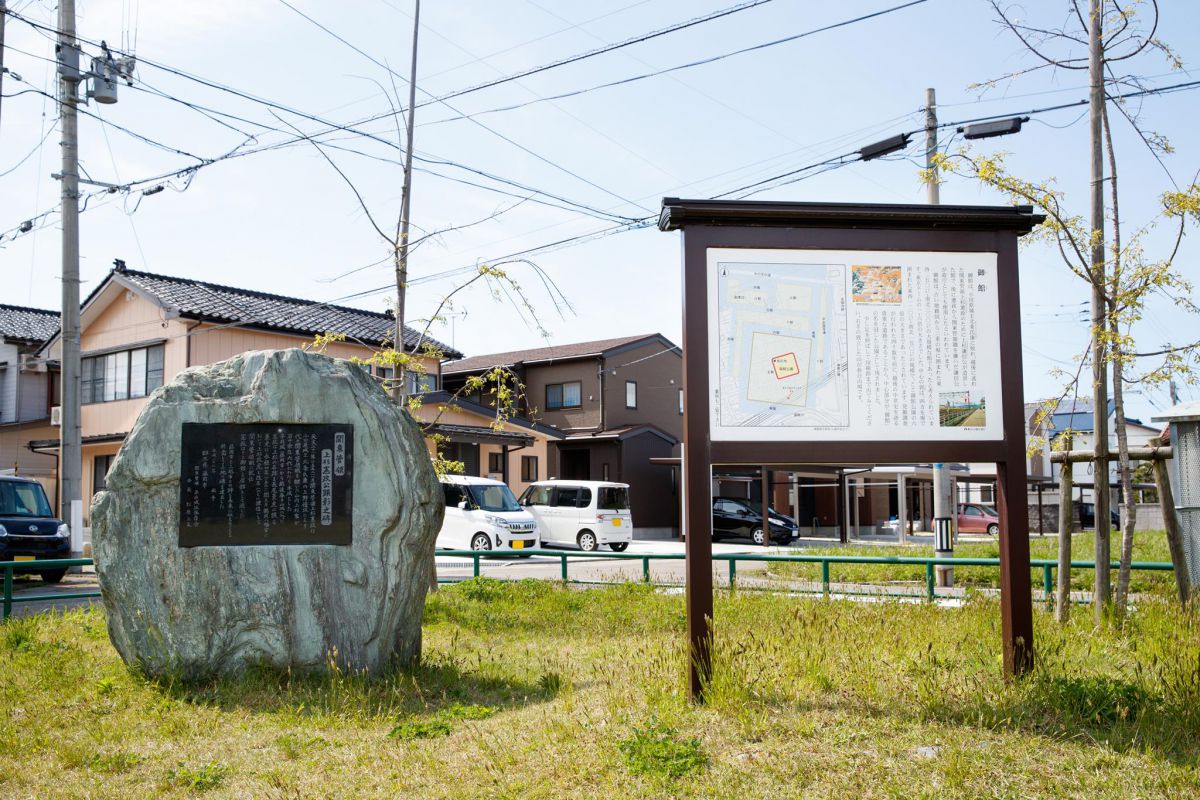
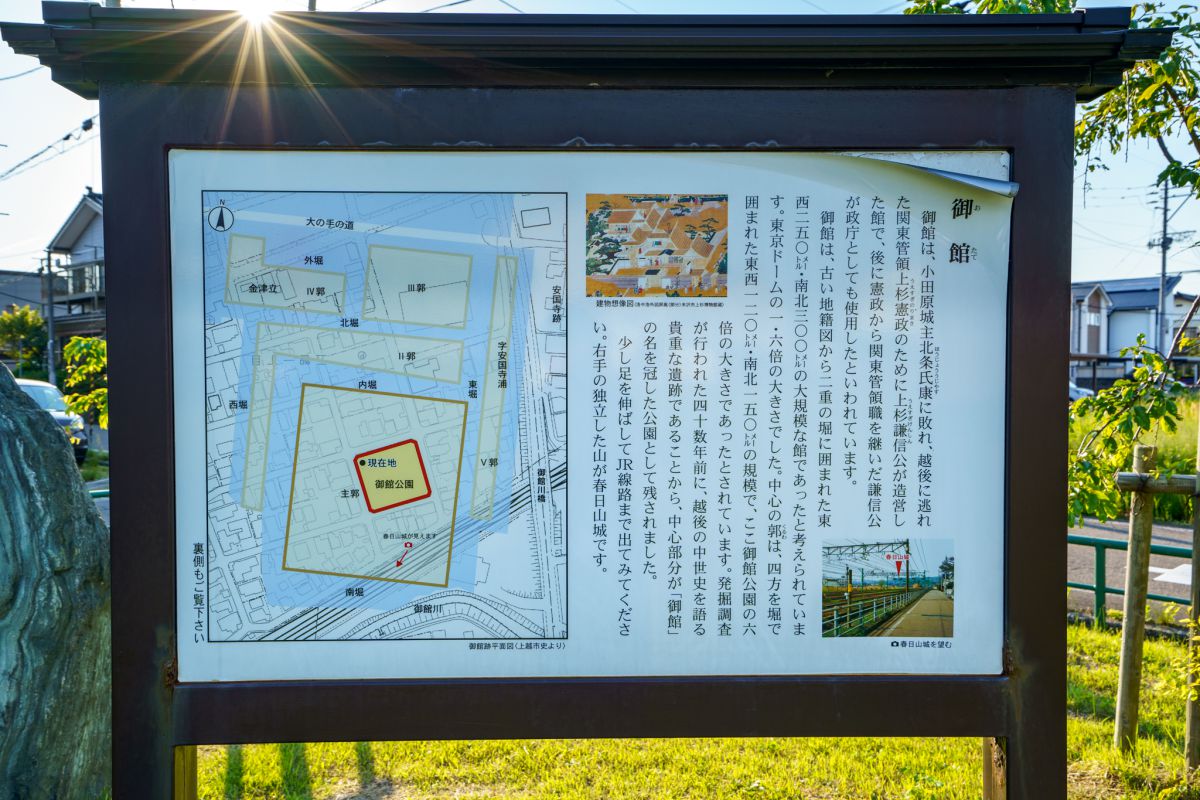
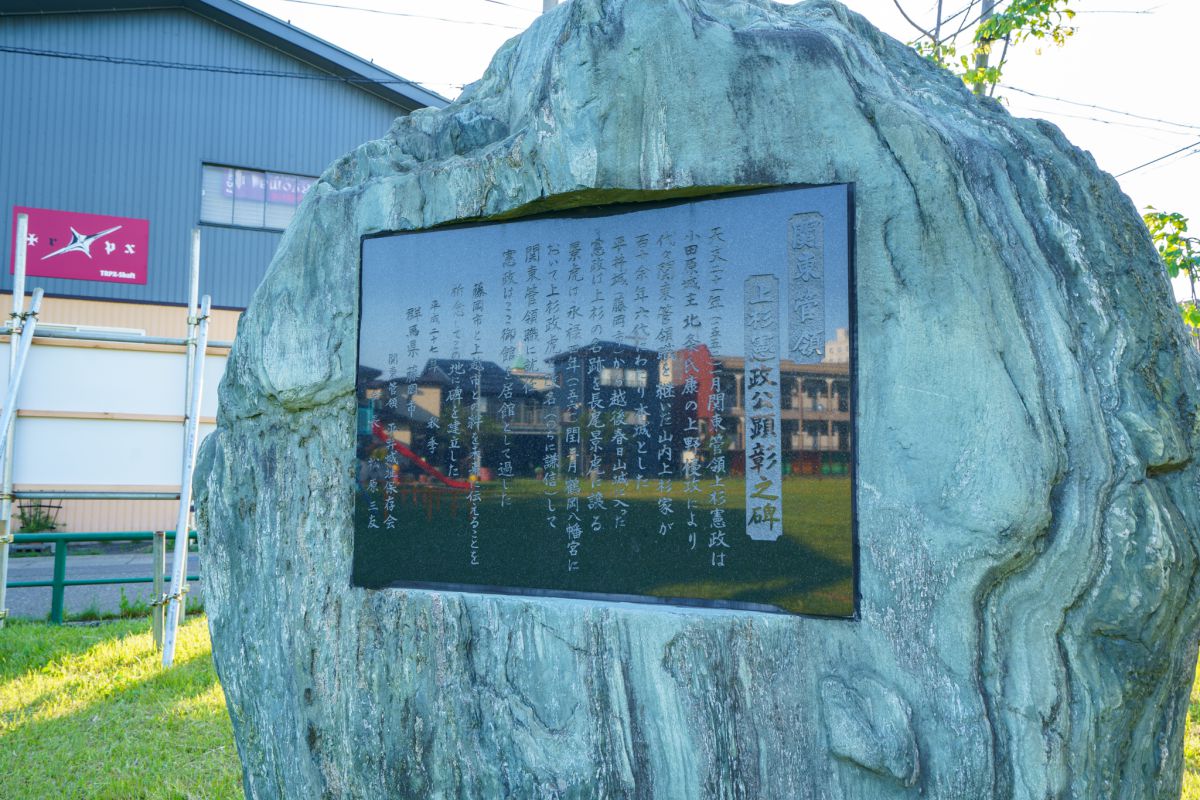
Otate Park is the site of the former Otate, a fortified residence built by the influential warlord Uesugi Kenshin (1530–1578). The 75,000-square-meter compound played a role in several key events that shaped local history.
Kenshin, as he was known, built the Otate residence in 1552, when he still went by his birth name, Nagao Kagetora. It was constructed as a refuge for Uesugi Norimasa (1523–1579), the deputy shogun of the eastern Kanto region, after Norimasa had suffered a significant defeat in Kanto at the hands of the rival Hojo family. The Uesugi and Hojo families vied for control of Kanto during the mid-1500s, a time of political instability and frequent battles between warlord-led families.
When Kenshin built the Otate in the provincial capital of Echigo Fuchu, he was the head of the Nagao family. Norimasa later repaid his debt, taking Kenshin as his heir and transferring to him the Uesugi name and the title of Kanto deputy shogun. During his rule over Echigo Province (present-day Niigata Prefecture), Kenshin used the Otate as an administrative center while residing at nearby Kasugayama Castle.
After Kenshin’s sudden death in 1578, the Otate became the site of a power struggle between his adopted sons, Uesugi Kagekatsu (1556–1623) and Uesugi Kagetora (1552–1579). Because a true heir was never officially named while Kenshin was alive, the Uesugi family was split between supporters of Kagekatsu and Kagetora. Eventually, Kagekatsu advanced from Kasugayama Castle and laid siege to the Otate. Kagetora was forced to flee to Samegao Castle in what is now the city of Myoko, where he committed ritual suicide.
The present-day park marks the site of what was once the heart of the Otate compound and serves as a place for relaxation for residents. Small community events occasionally take place in the park.

This English-language text was created by the Japan Tourism Agency.