Iwadonosan Myojoin Temple sightseeing_10
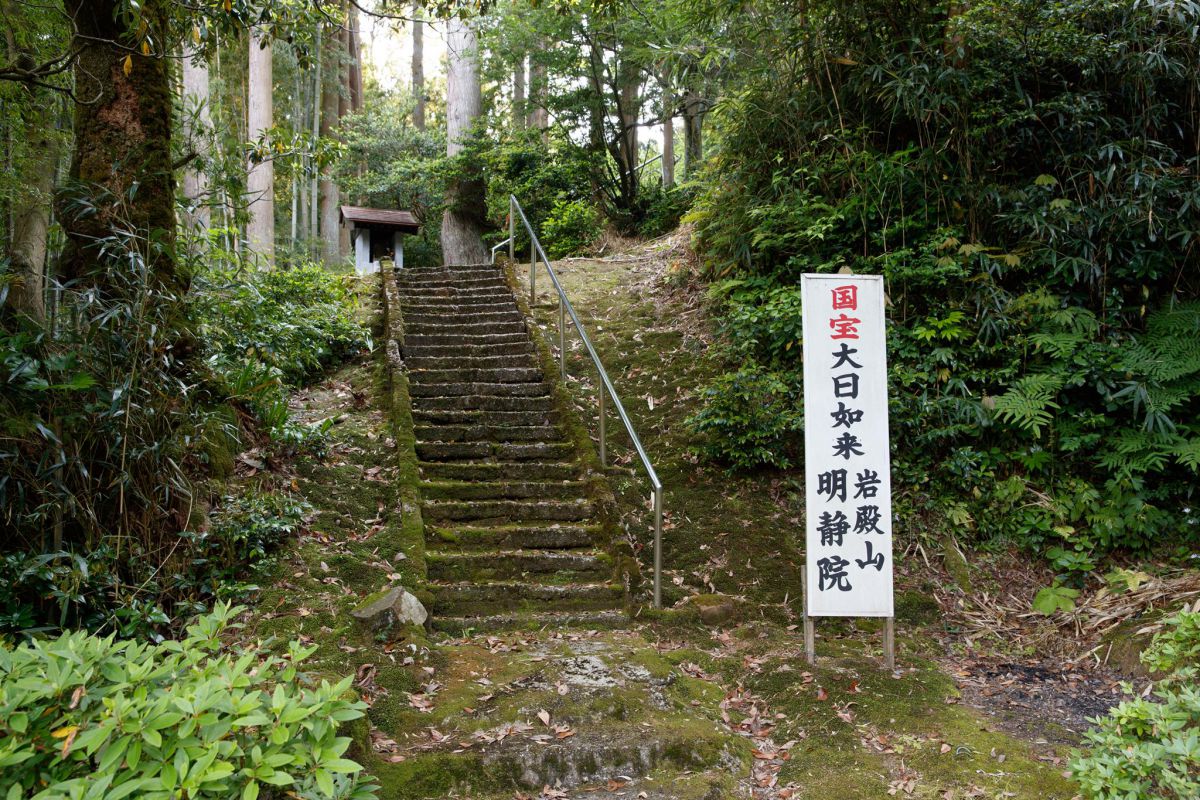
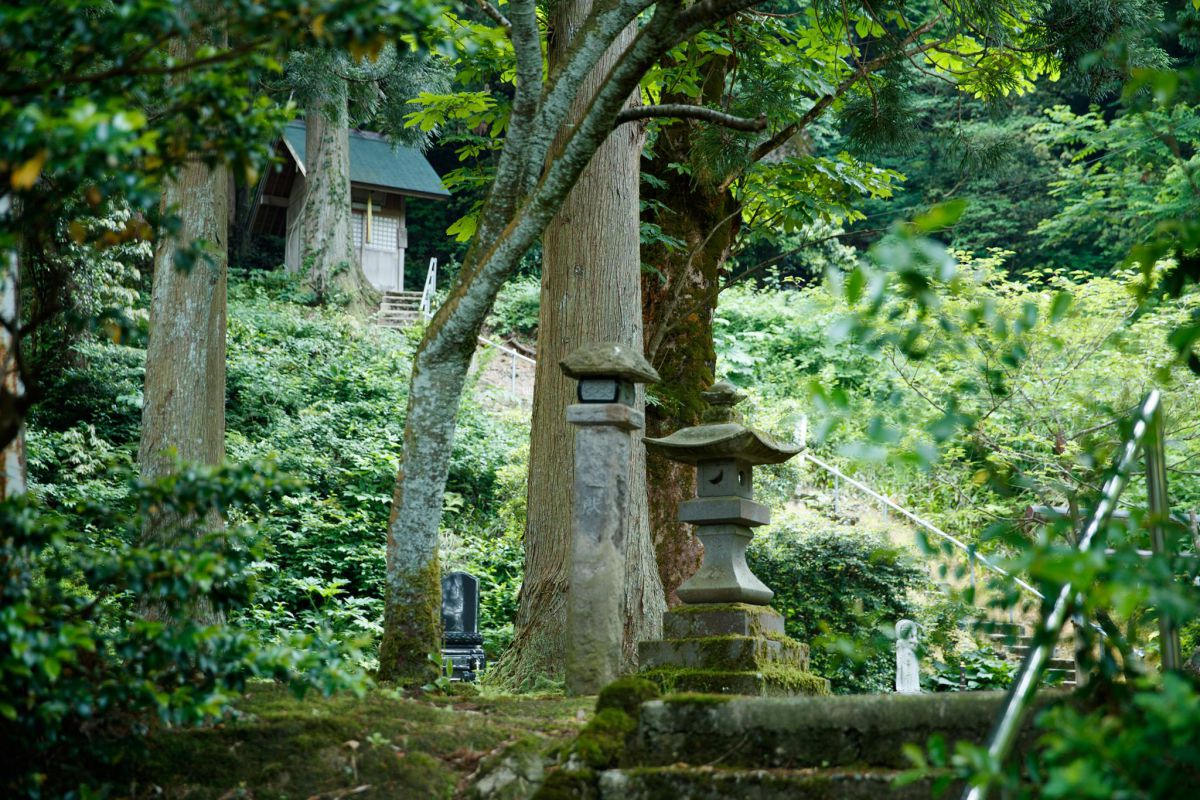
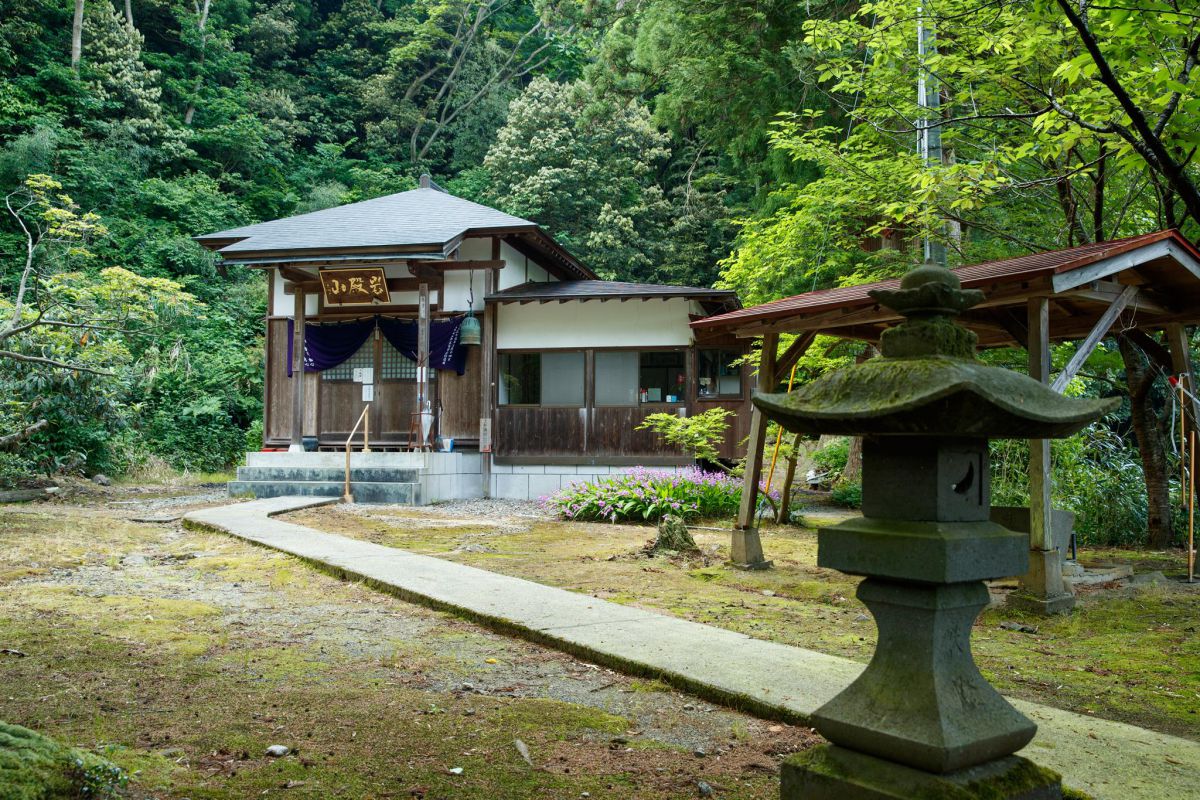
Iwadonosan Myojoin is a Tendai Buddhist temple situated near the summit of the forested Mt. Iwadono, on the outskirts of Joetsu. The small temple is believed to date to the eighth century and has numerous ties to the city’s medieval history, mythology, and spiritual traditions.
One of the main features of the temple is a 145-centimeter wooden statue of its principal deity, Dainichi, the Cosmic Buddha. The statue was carved from a single piece of Japanese torreya (kaya; Torreya nucifera) wood and is believed to date back to the late twelfth century. The warlord Uesugi Kenshin (1530–1578), who was a devout Buddhist, is said to have revered the statue and was an ardent supporter of the temple. After Kenshin’s death, a stone pagoda was erected in his honor beside the temple’s main hall, and some believe it holds some of his remains.
Inside the main hall are also three wooden ema plaques decorated with paintings of ships. The plaques were dedicated by local shipowners in the seventeenth to nineteenth centuries to pray for safe journeys at sea. Their ships sailed on the kitamaebune (“northern bound”) shipping route along the Sea of Japan coast, connecting the northern island of Hokkaido with the mercantile city of Osaka on the Inland Sea.
Another point of spiritual significance near Iwadonosan Myojoin is the mythical birthplace of the Shinto deity Suwa Daimyojin, who is associated with wind, water, and warfare. The temple grounds include a small Shinto shrine dedicated to the deity.
The temple’s Dainichi statue has been designated an Important Cultural Property.

This English-language text was created by the Japan Tourism Agency.