Fuchu Hachimangu Shrine sightseeing_09
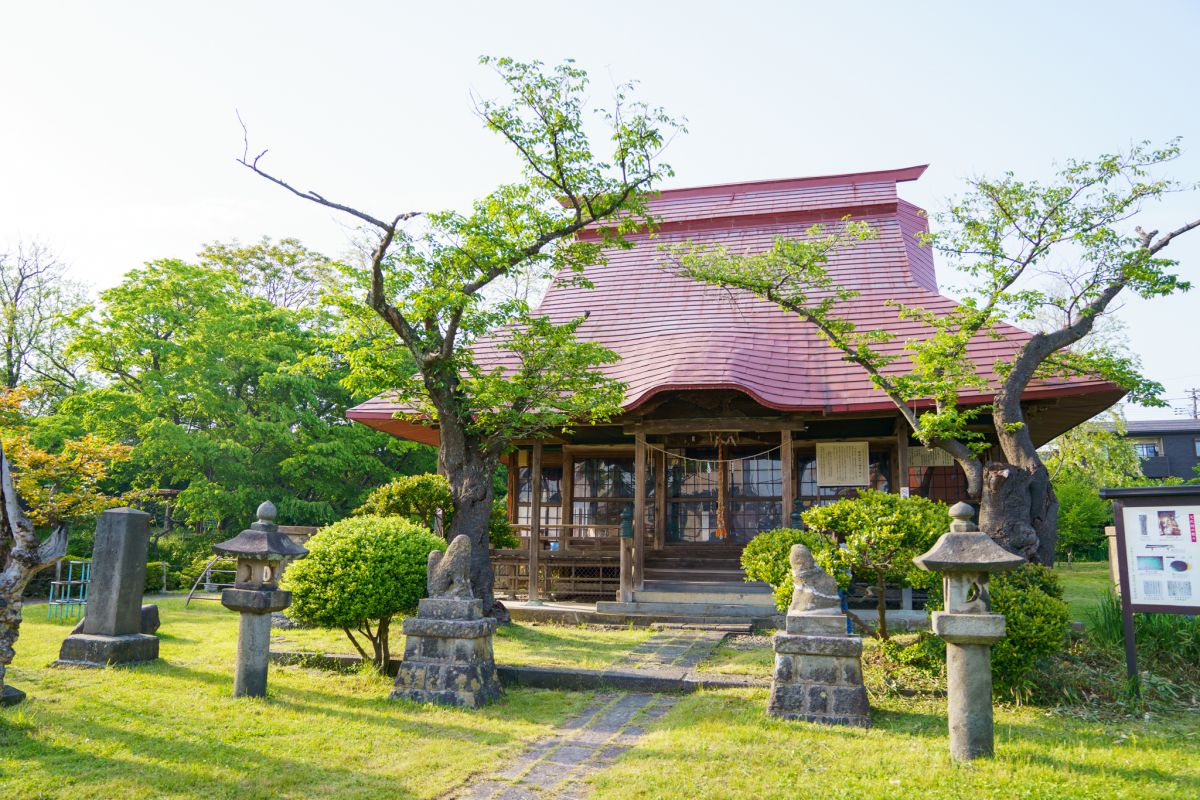
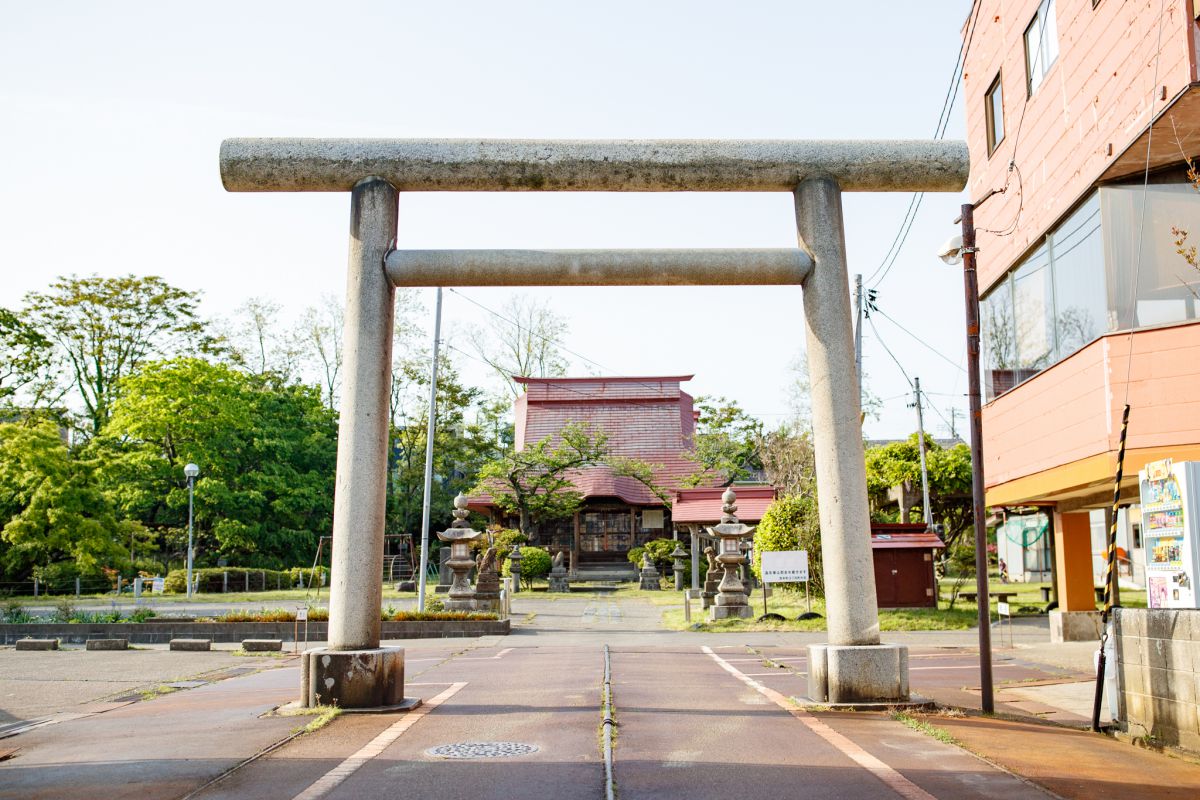
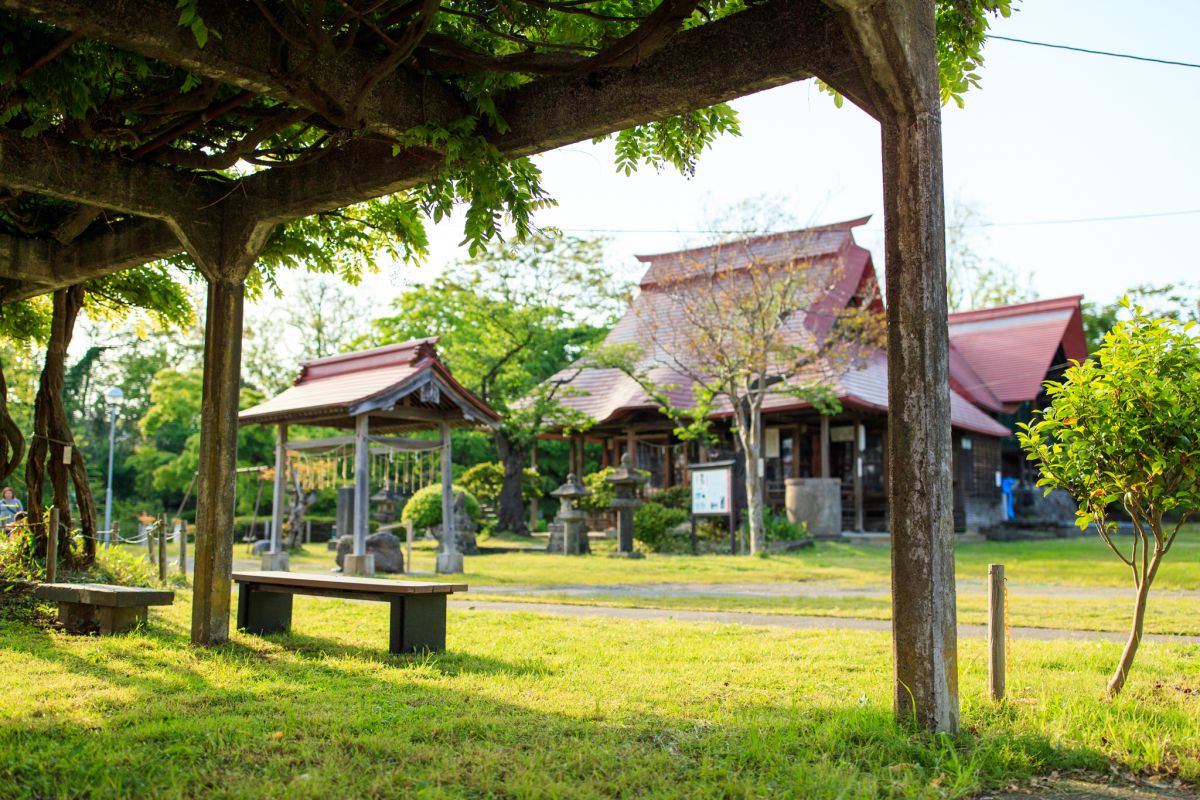
The ancient Fuchu Hachimangu Shrine has traditionally been one of the most important sites of prayer in Echigo Province (today’s Niigata Prefecture). For centuries, its grounds encompassed several shrines dedicated to deities enshrined elsewhere in the province, thus enabling worshipers easy access to these deities without the necessity of travel. Most provinces had such a soja, or consolidated shrine, and Fuchu Hachimangu was the soja of Echigo.
The shrine is primarily dedicated to Hachiman, the guardian deity of the warrior class as well as the imperial family and, by extension, the entire country. Due to these associations, it was held in particularly high regard during the Sengoku (“Warring States”; 1467–1568) period, when the warlord Uesugi Kenshin (1530–1578) emerged as the ruler of Echigo. Kenshin visited Fuchu Hachimangu often to pray for success in battle, and trusted its deity to guard the northeastern direction as seen from Kenshin’s stronghold, Kasugayama Castle, as evil spirits were traditionally believed to come from this direction.
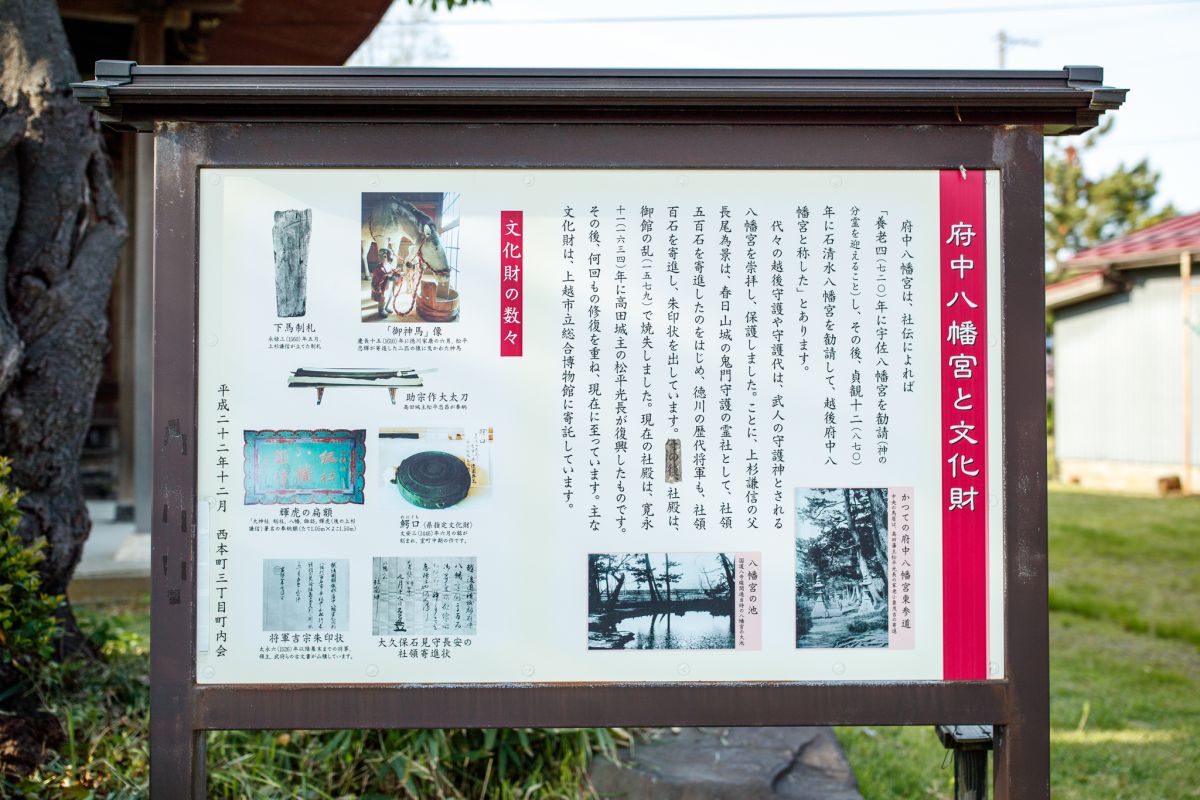
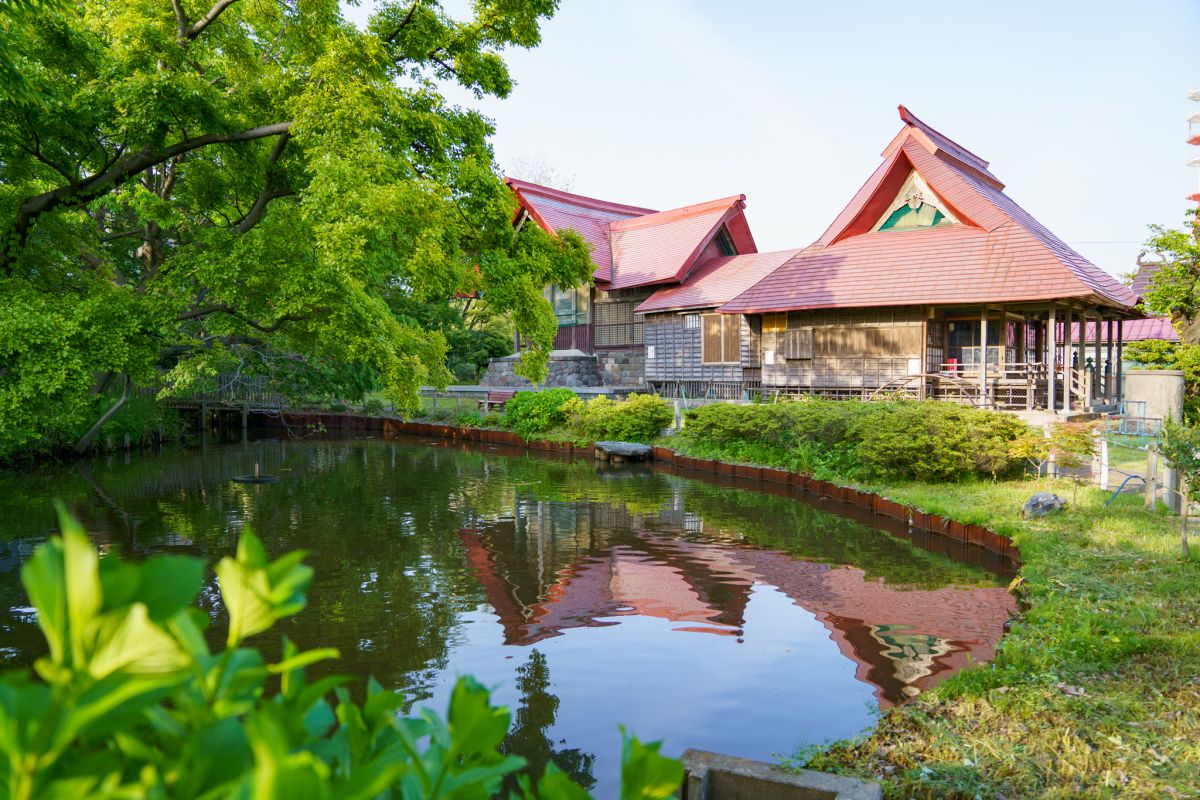
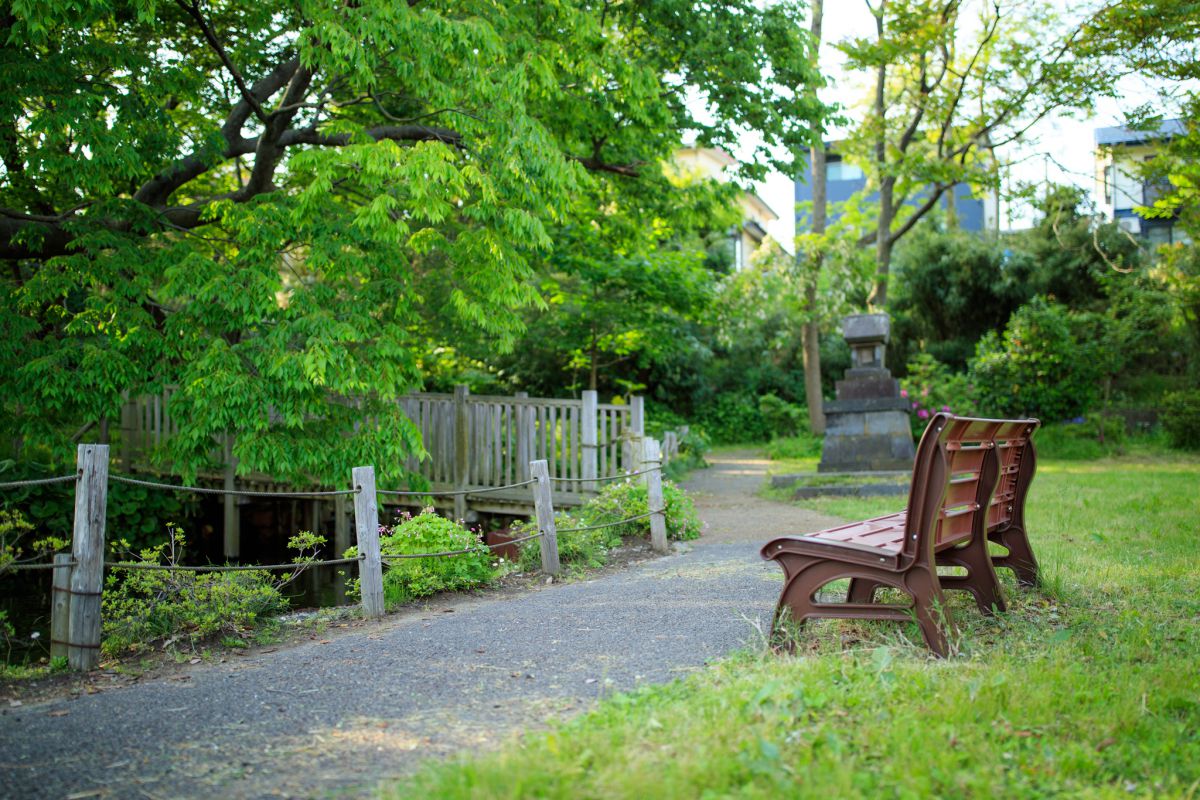
After Kenshin’s death in the late sixteenth century, Fuchu Hachimangu was destroyed by fire during the Siege of Otate, a power struggle between his two adopted sons. The shrine was reconstructed in 1634 and today houses several historic artifacts, including a plaque with handwriting by Uesugi Kenshin that survived the fire. The shrine grounds border a quiet park that was formerly part of the precincts. The approach to the park and shrine is lined with komainu (mythical guardian lion) statues.

This English-language text was created by the Japan Tourism Agency.