Gochi Kokubunji Temple sightseeing_03
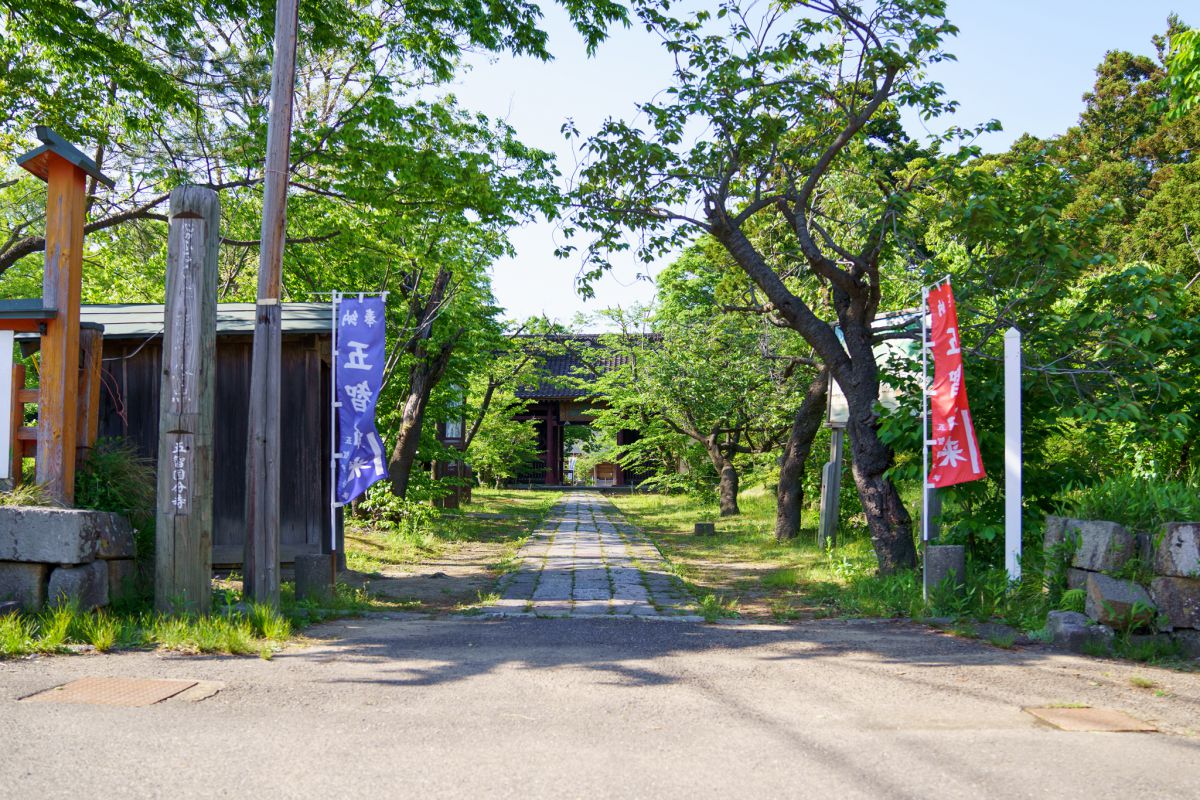
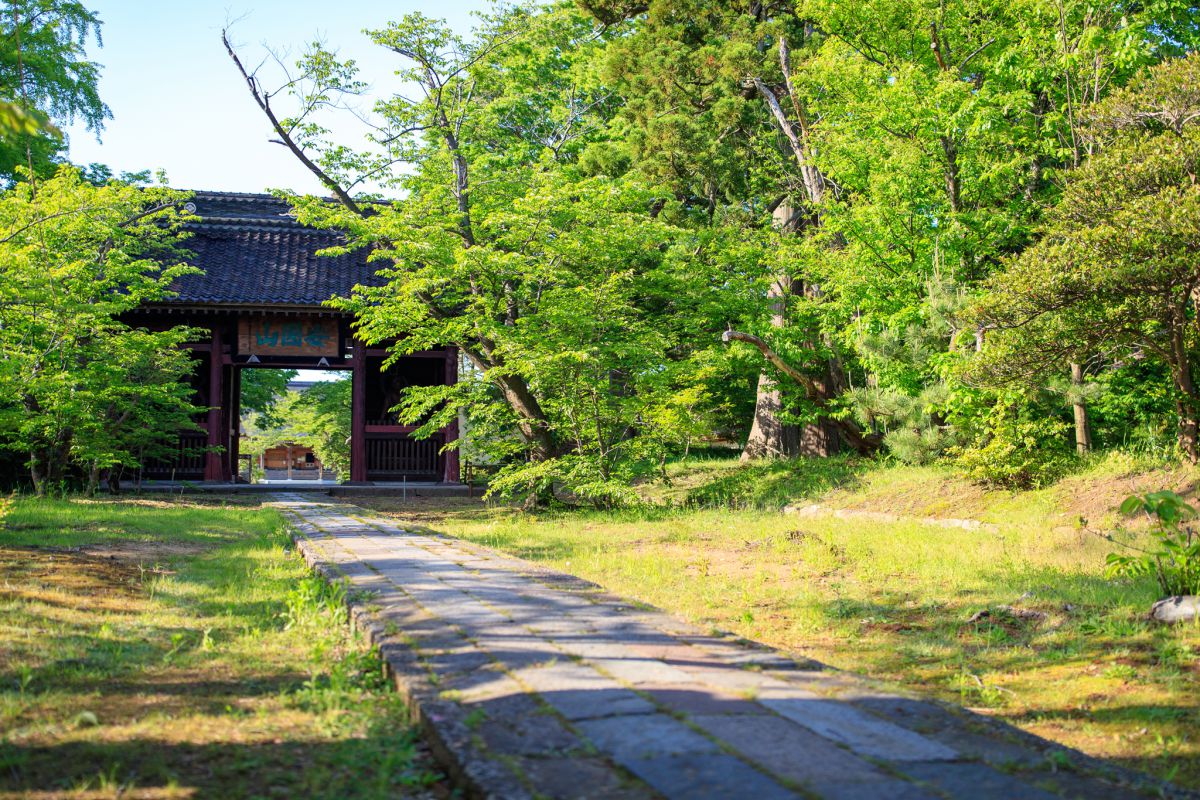
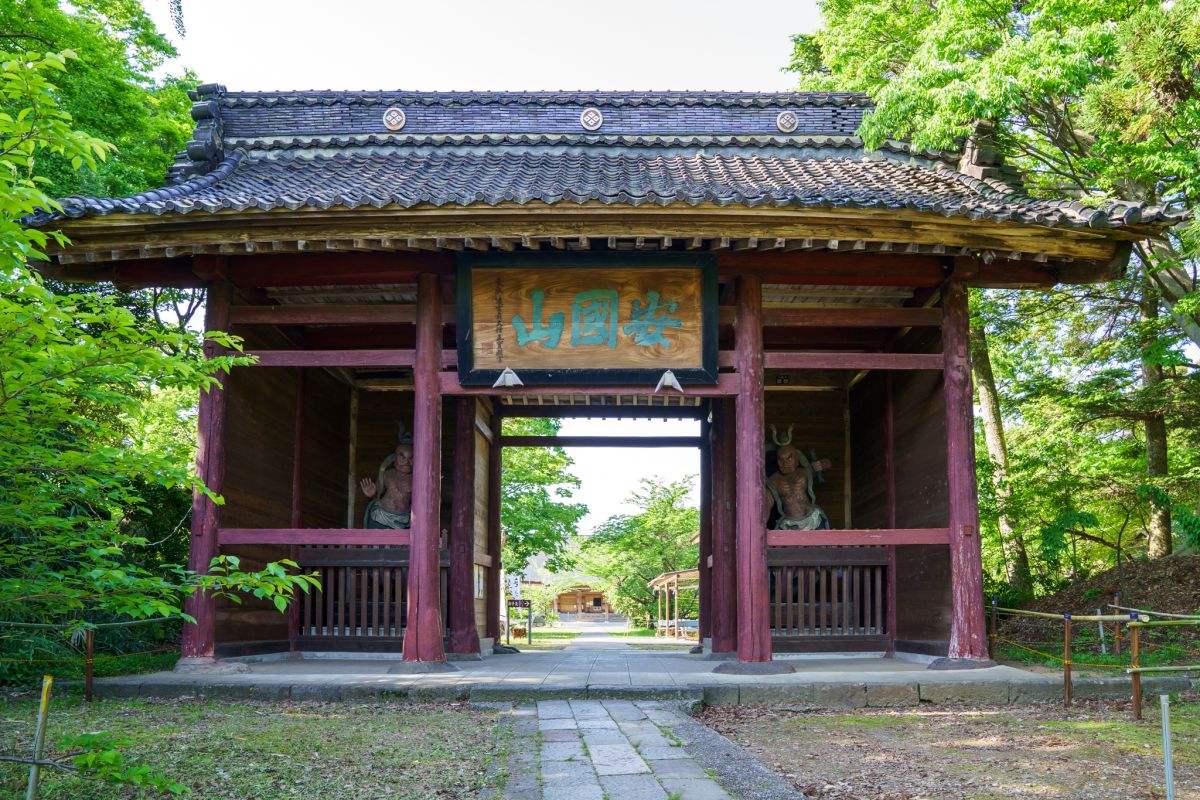
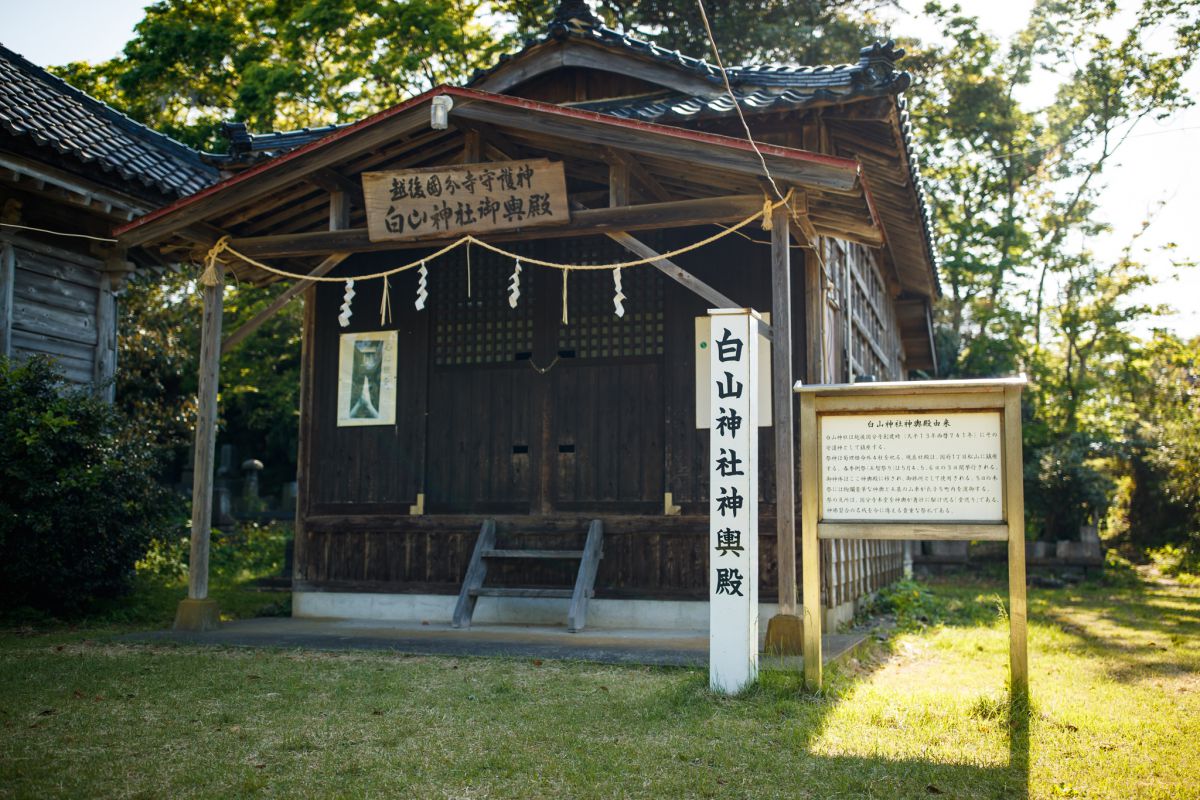
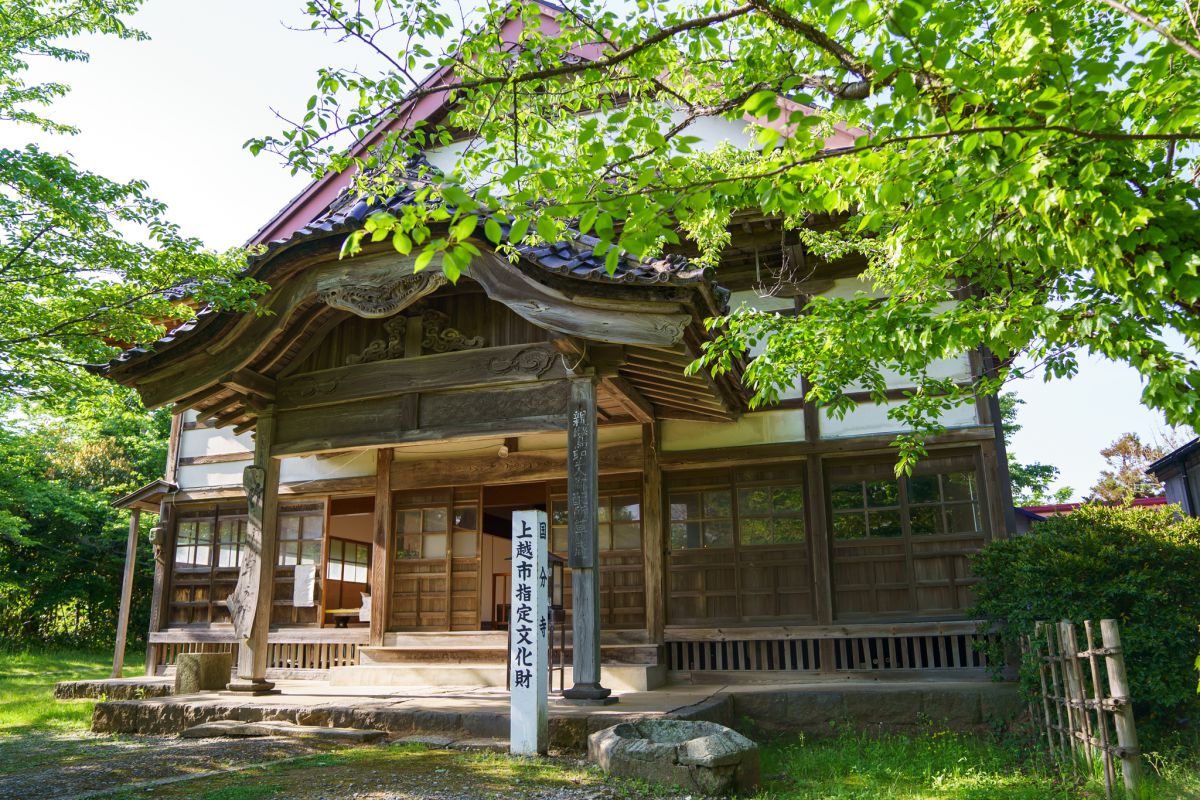
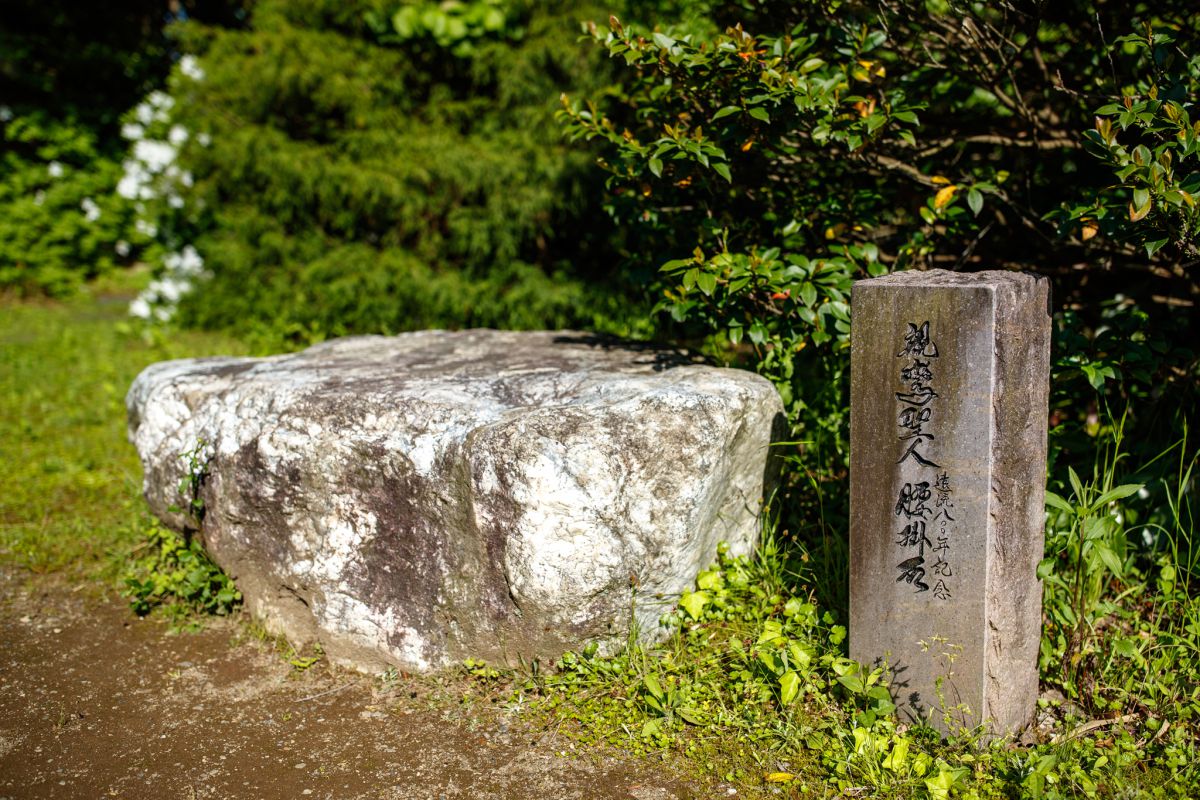
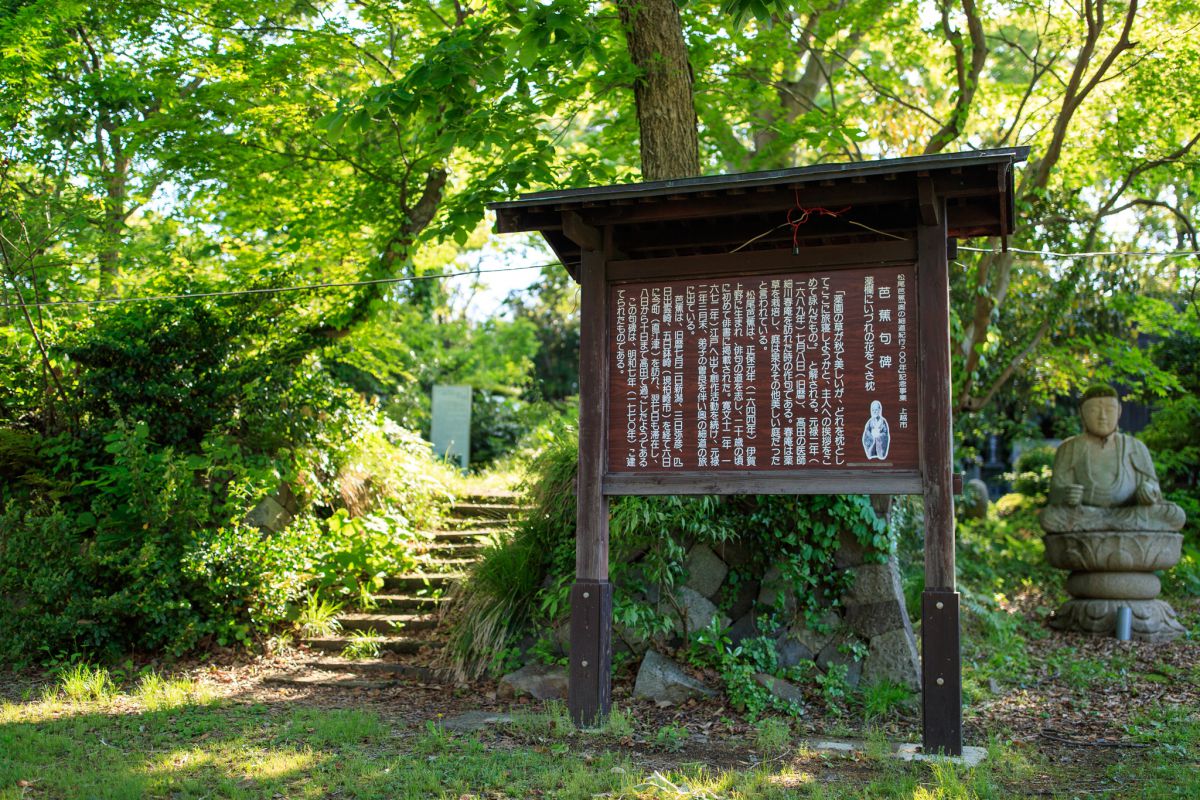
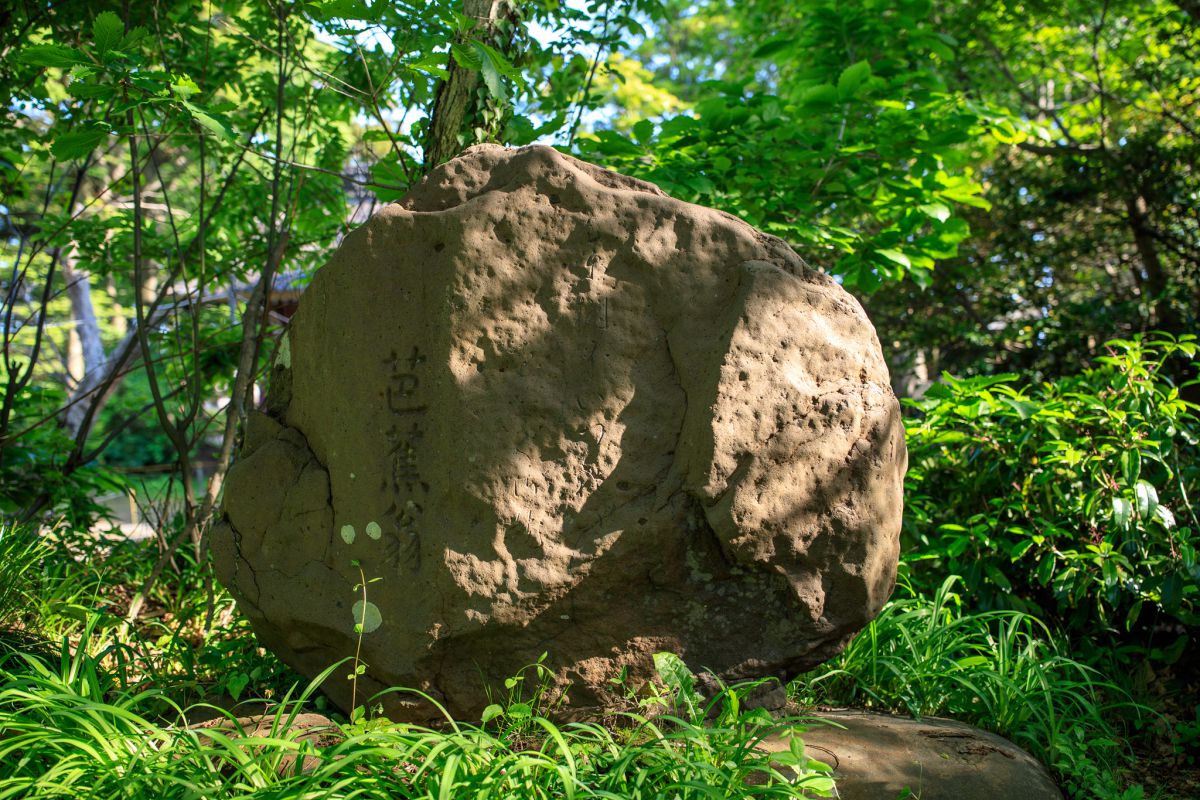
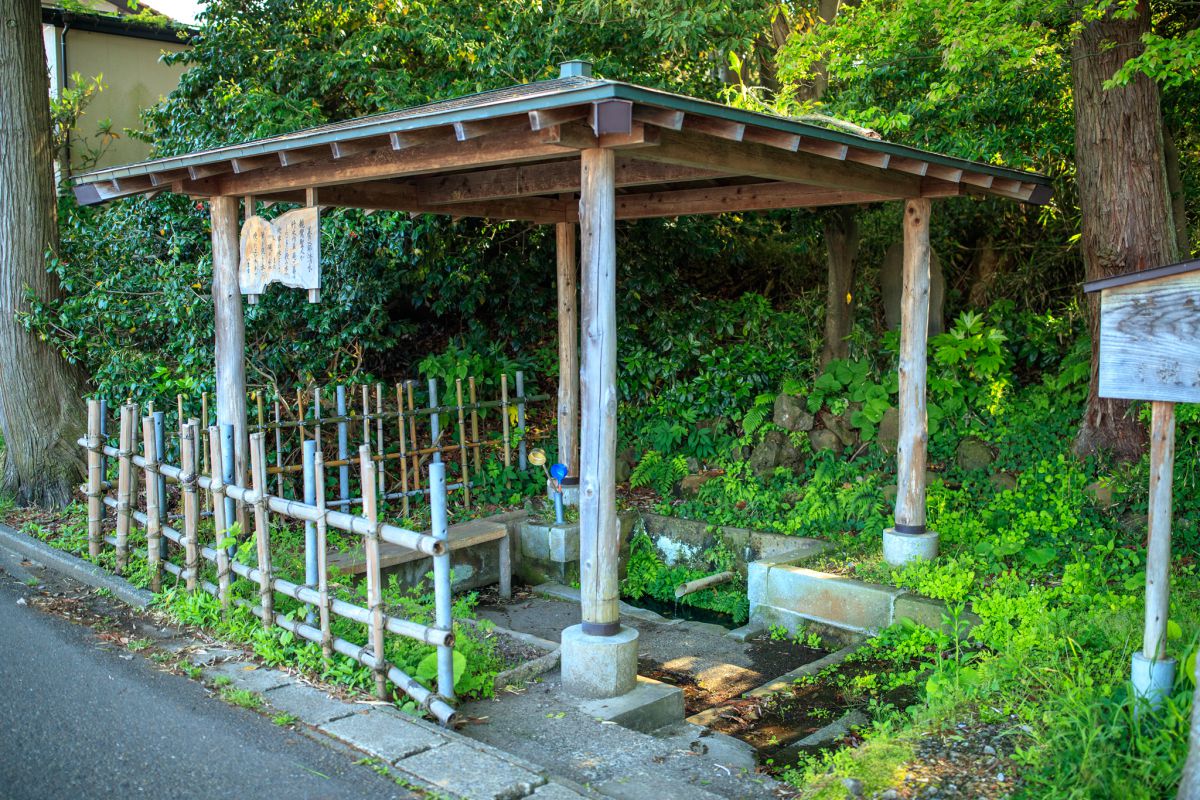
Gochi Kokubunji Temple was once the most significant Buddhist temple in what is now the Naoetsu district of Joetsu City. It was founded in the eighth century, when Emperor Shomu (701–756) decreed that each province should establish a kokubunji (a state-sponsored temple). This order was issued in 741, after a devastating smallpox epidemic, with the intention to pray for the safety and wellbeing of the country.
Gochi Kokubunji is thought to have been constructed in the provincial capital of Echigo (today’s Niigata Prefecture) soon after Emperor Shomu issued his decree. Its original site, however, is unknown, as the provincial capital was only moved to what is now Naoetsu during the medieval period. The temple was rebuilt in its present location in 1562 under the patronage of the warlord Uesugi Kenshin (1530–1578), then the most powerful figure in Echigo Province. Kenshin was a devout Buddhist and prayed frequently at Gochi Kokubunji.
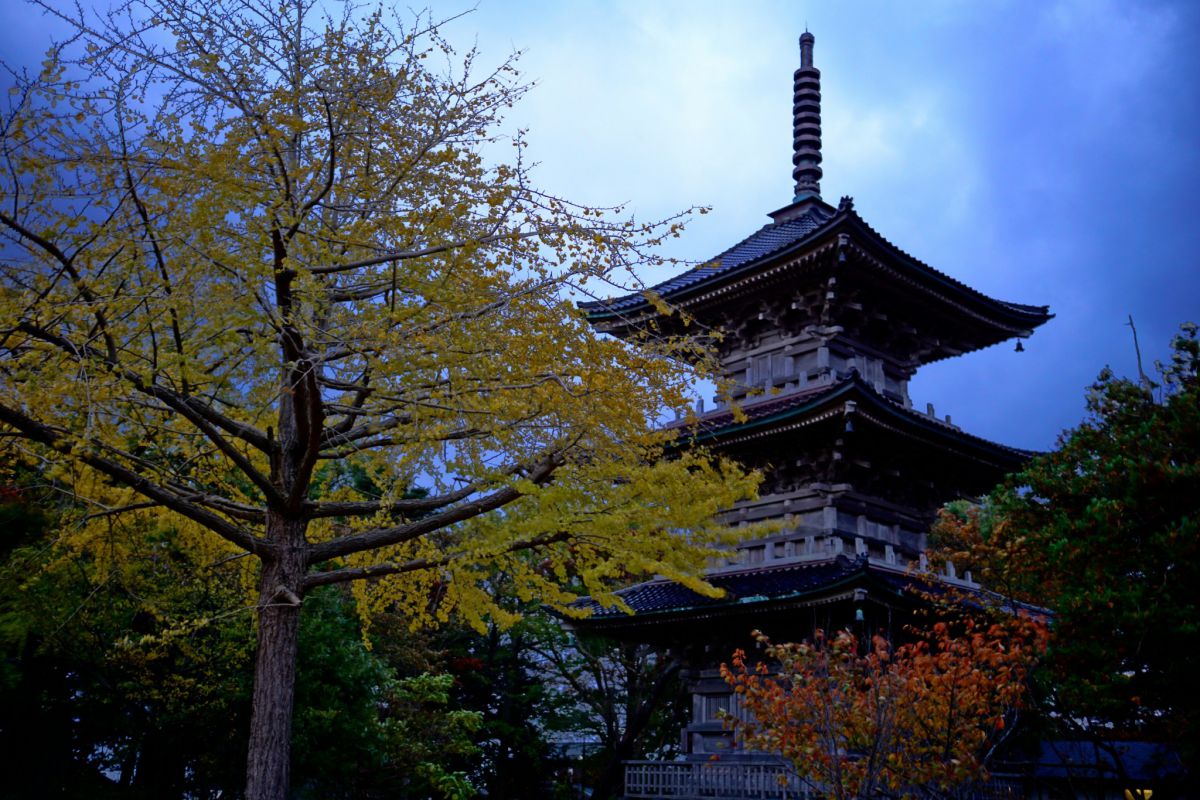
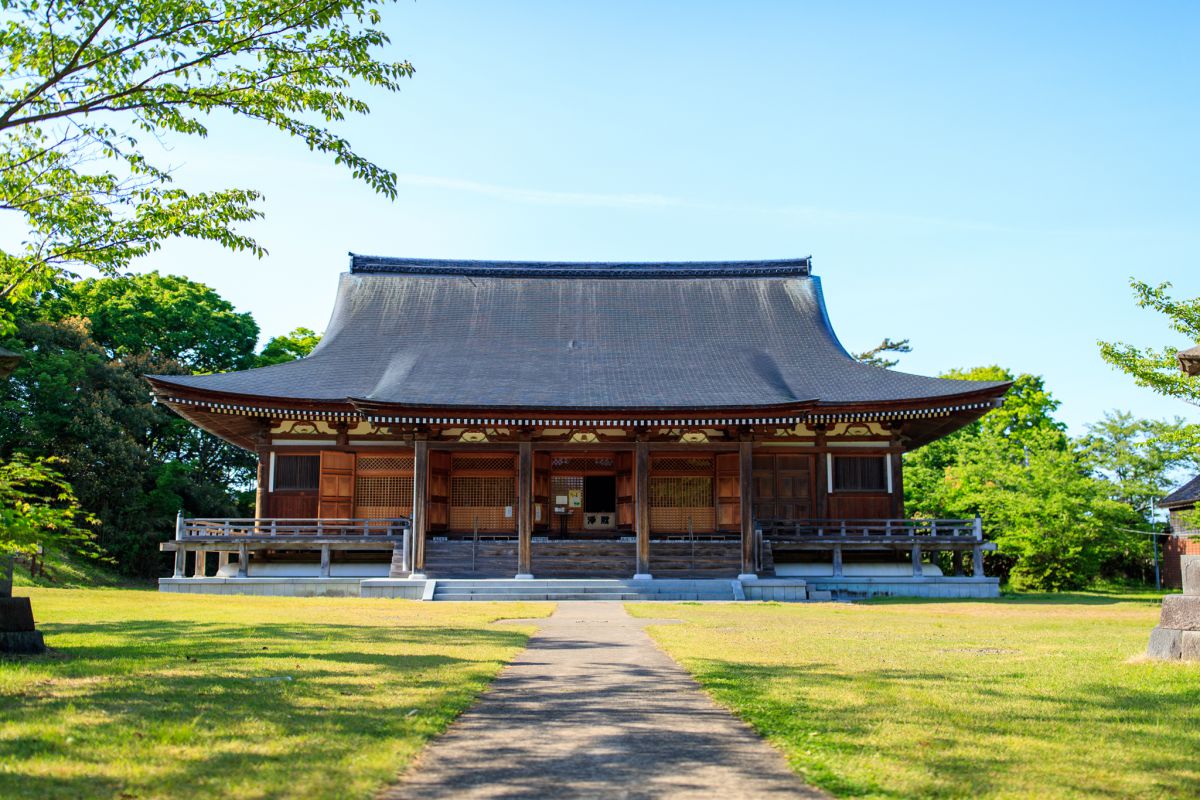
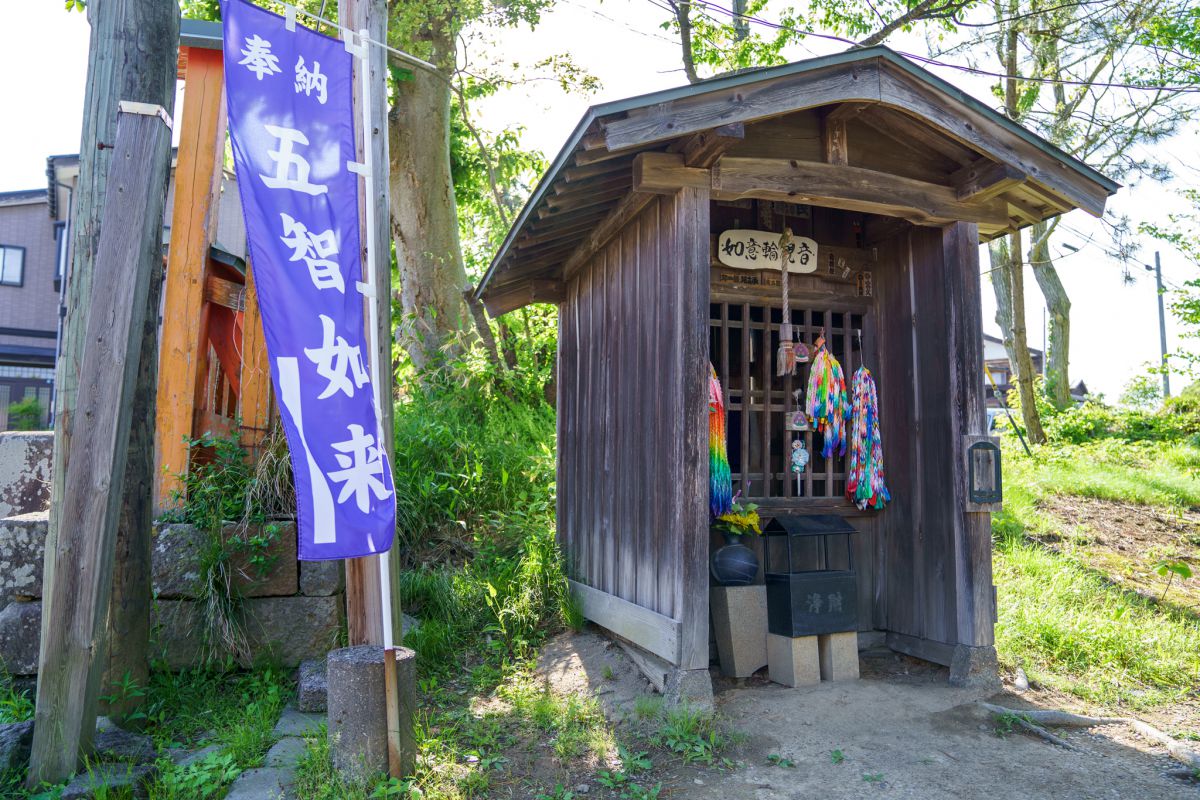
The Main Hall, restored in 1997, houses gilded wooden statues of five Buddhas: Amida, Yakushi, Dainichi, Hosho, and Gautama (the historical Buddha). The name Gochi (“five wisdoms”) refers to this quintet. The Sutra Hall, built in 1693, is the oldest building in Joetsu with a known construction date and is used to preserve the temple’s scriptures. Also on the grounds is the only three-story pagoda in Joetsu. The pagoda has stood unfinished since 1865, but has been designated a cultural property of Niigata Prefecture as a rare example of Edo-period (1603–1867) temple architecture.

This English-language text was created by the Japan Tourism Agency.