Kasugayama Shrine sightseeing_02
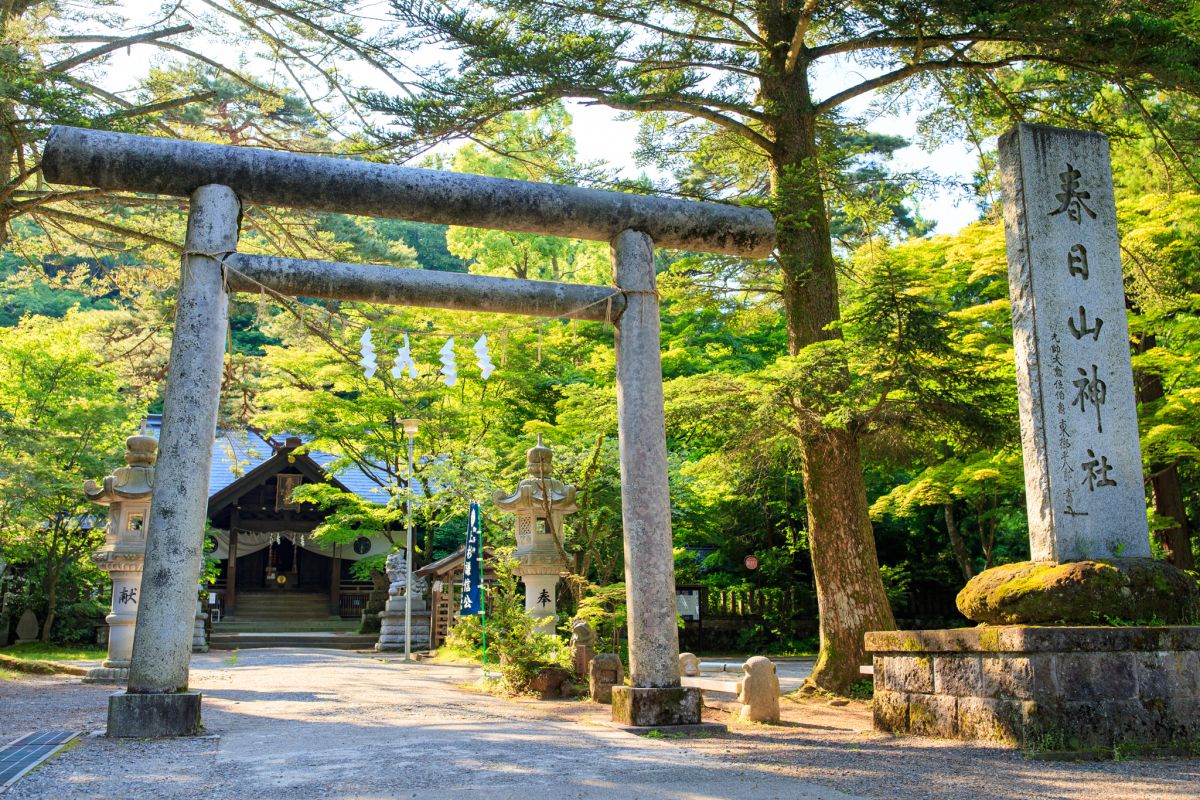
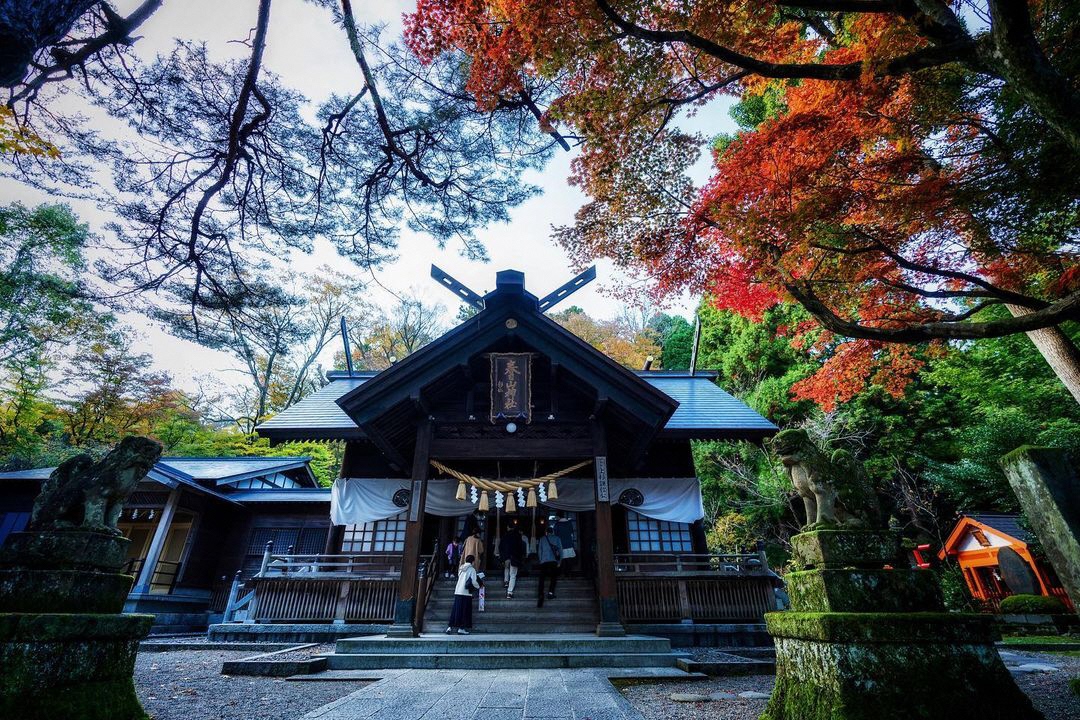
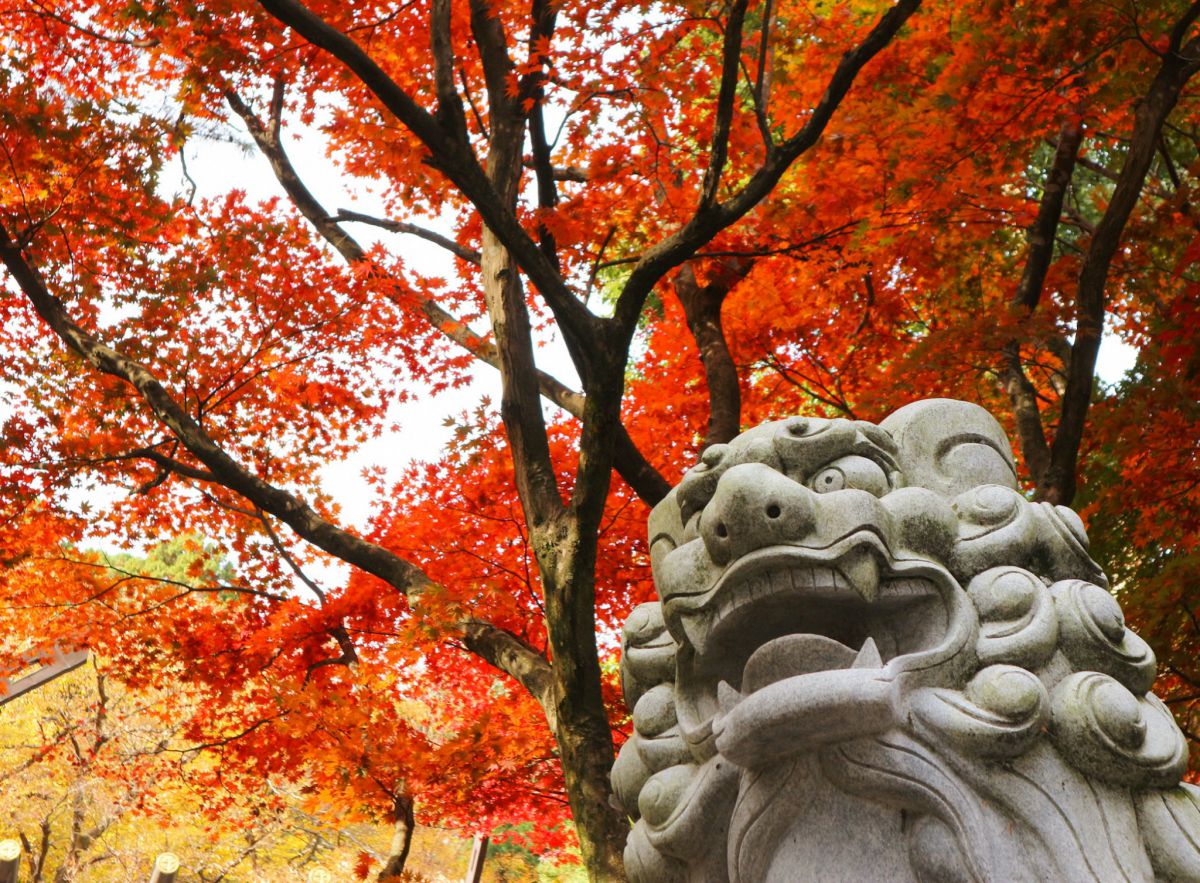
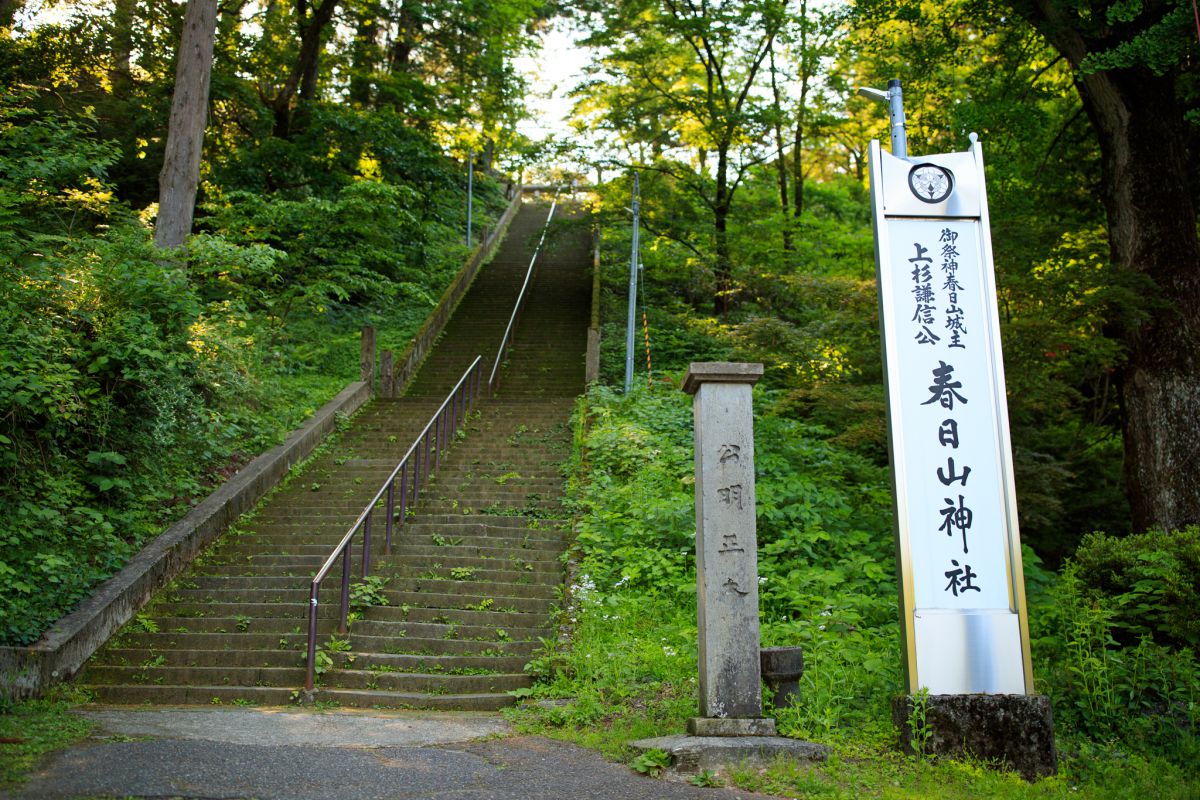
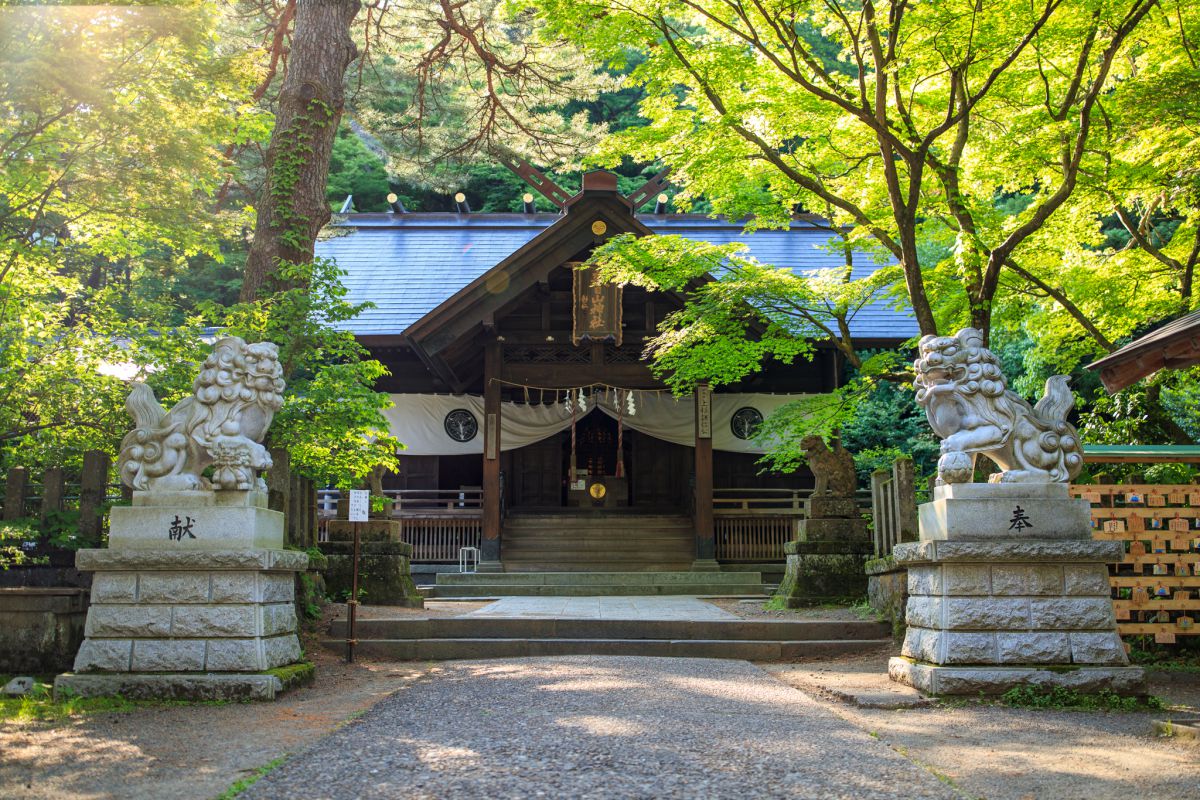
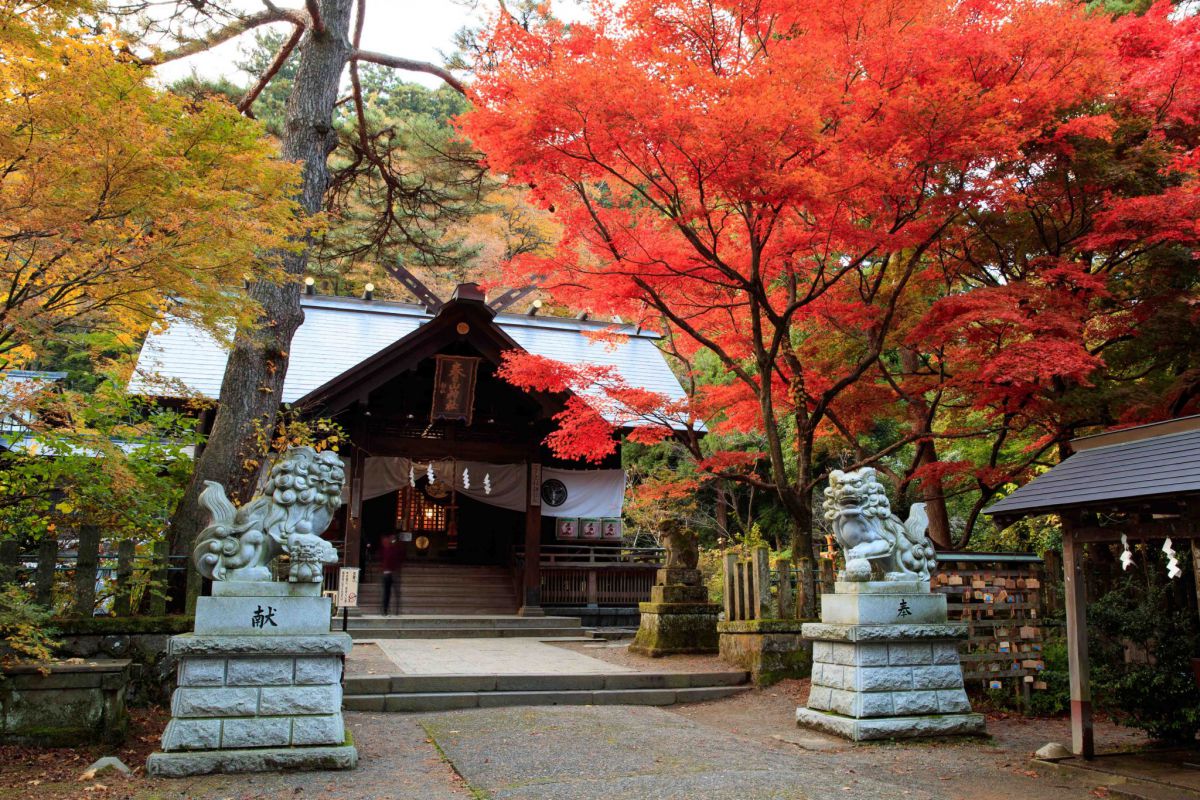
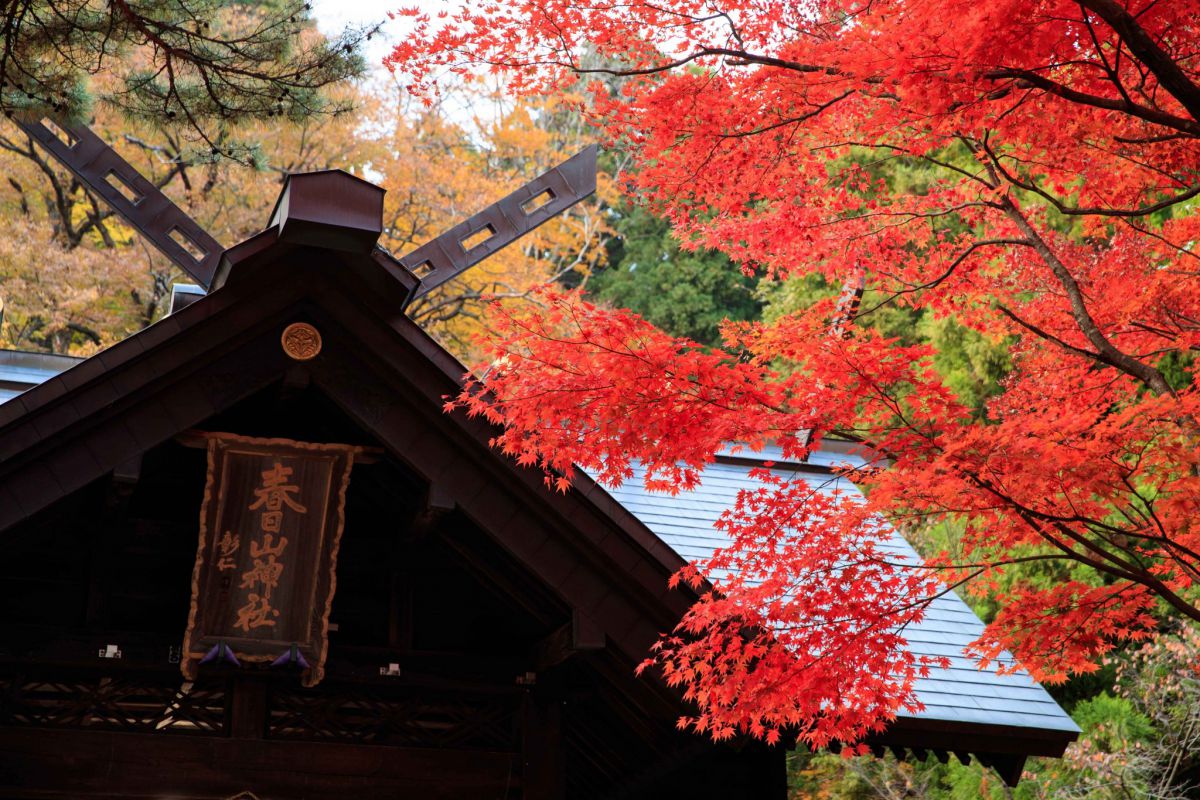
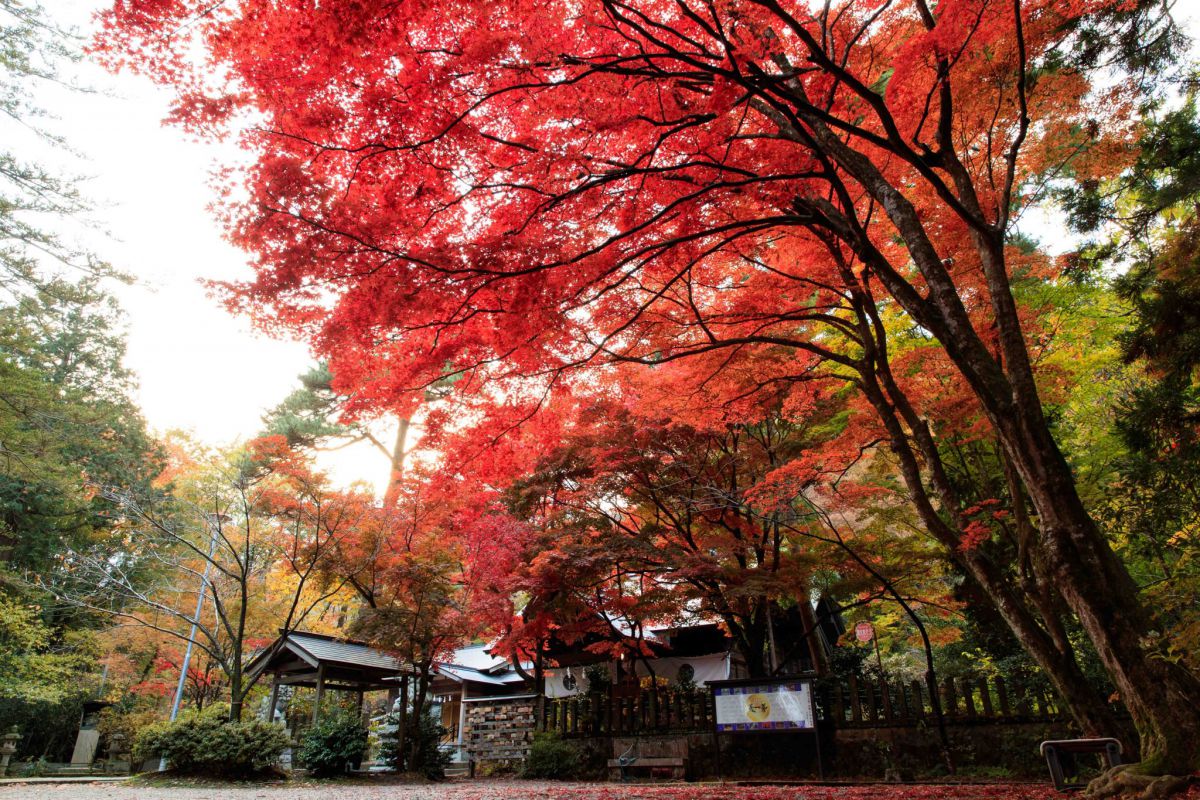
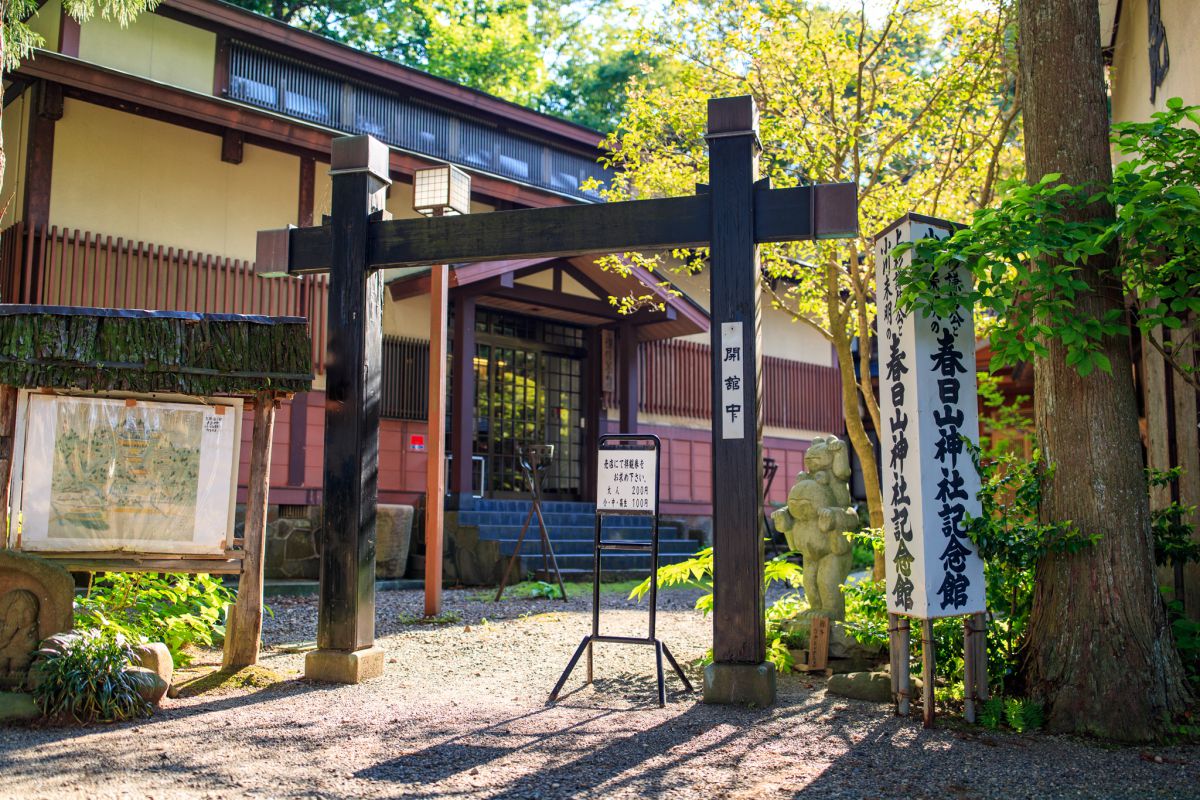
Kasugayama Shrine is situated halfway up Mt. Kasugayama and enshrines the warlord Uesugi Kenshin (1530–1578) as a Shinto deity. Kenshin was known as a formidable leader in battle, and the shrine is often visited by those praying for success. In the years after its construction in 1901, one such visitor was Crown Prince Yoshihito (1879–1926), later Emperor Taisho, who prayed for victory in the Russo-Japanese War (1904–1905).
Around 300,000 people visit the shrine annually to pay their respects to Kenshin’s legacy and pray for good fortune. Talismans thought to ensure victory (kachi-mamori) are popular among those seeking success in pursuits such as kendo, judo, or school and university entrance exams. The shrine’s construction was supported by the statesman, politician, and founder of Japan’s postal system, Maejima Hisoka (1835–1919). Maejima was born in the former Echigo Province (present-day Joetsu) and held a senior government post at the time.
The Kasugayama Shrine Memorial Hall beside the shrine displays documents and artifacts related to the Uesugi family. Also on the shrine grounds are a stone monument inscribed with the poem “Kumo no gotoku” (Like a Cloud) by the children’s author Ogawa Mimei (1882–1961), whose father established the shrine, and several statues inspired by Ogawa’s other celebrated works. The shrine is a key location in the annual Lord Kenshin Festival and a popular stop for those hiking to the Kasugayama Castle site.

This English-language text was created by the Japan Tourism Agency.