Rinsenji Temple sightseeing_01
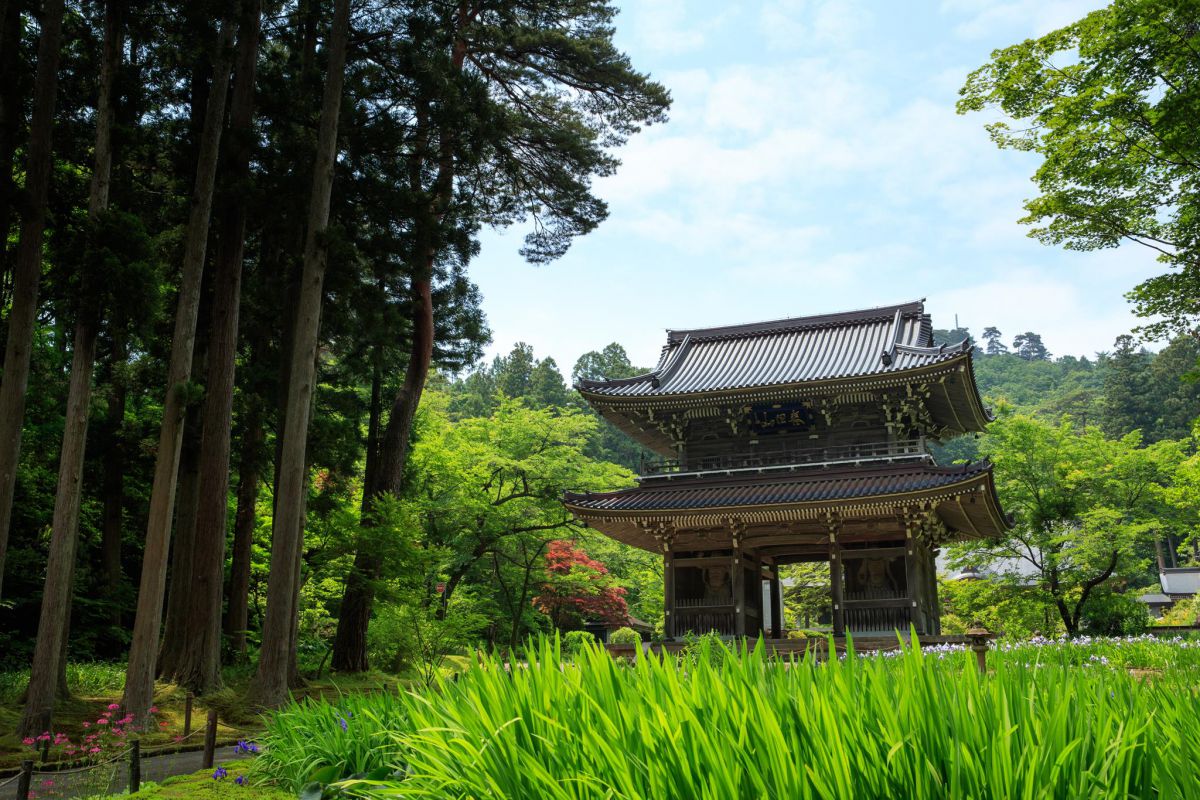
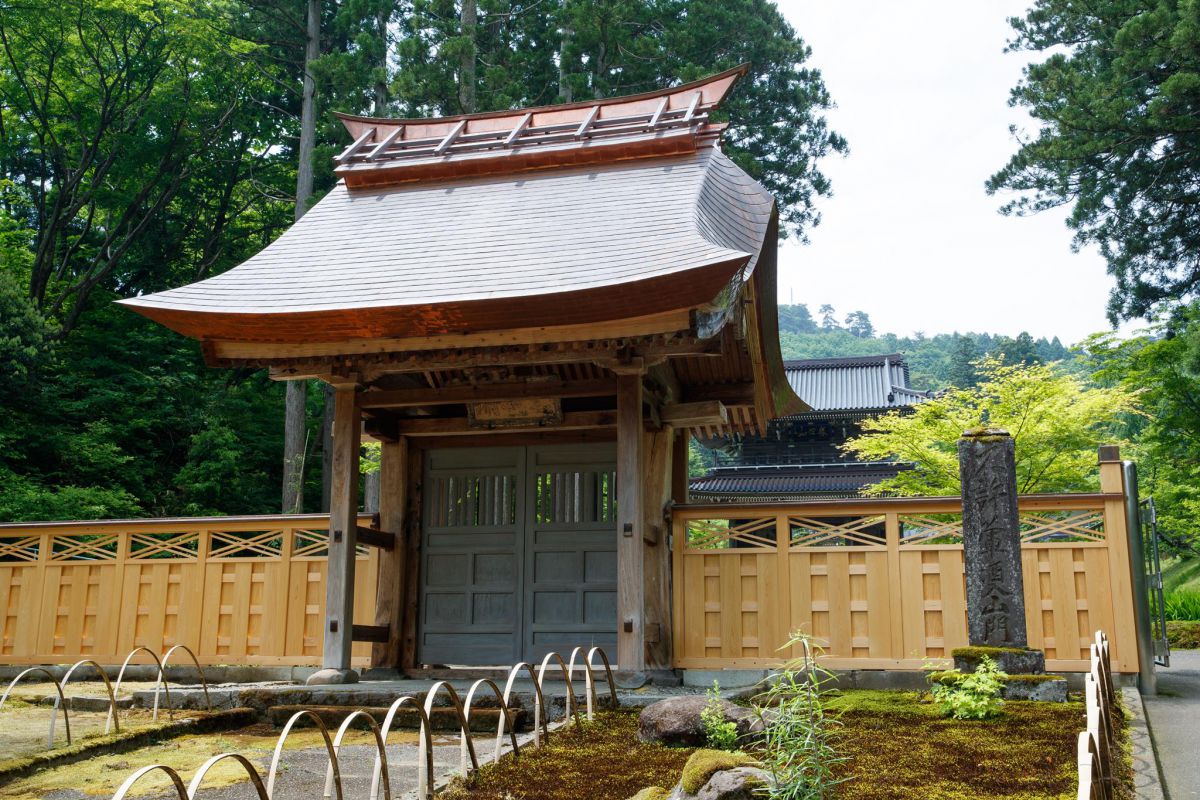
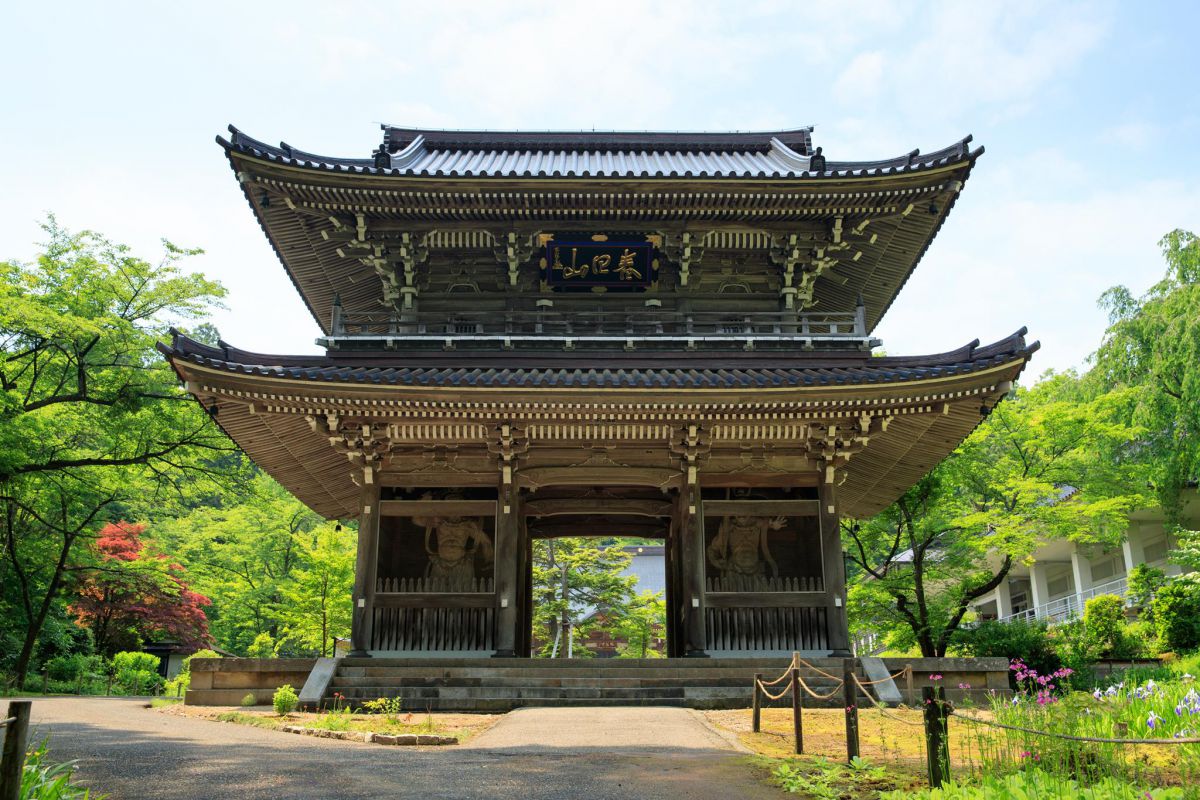
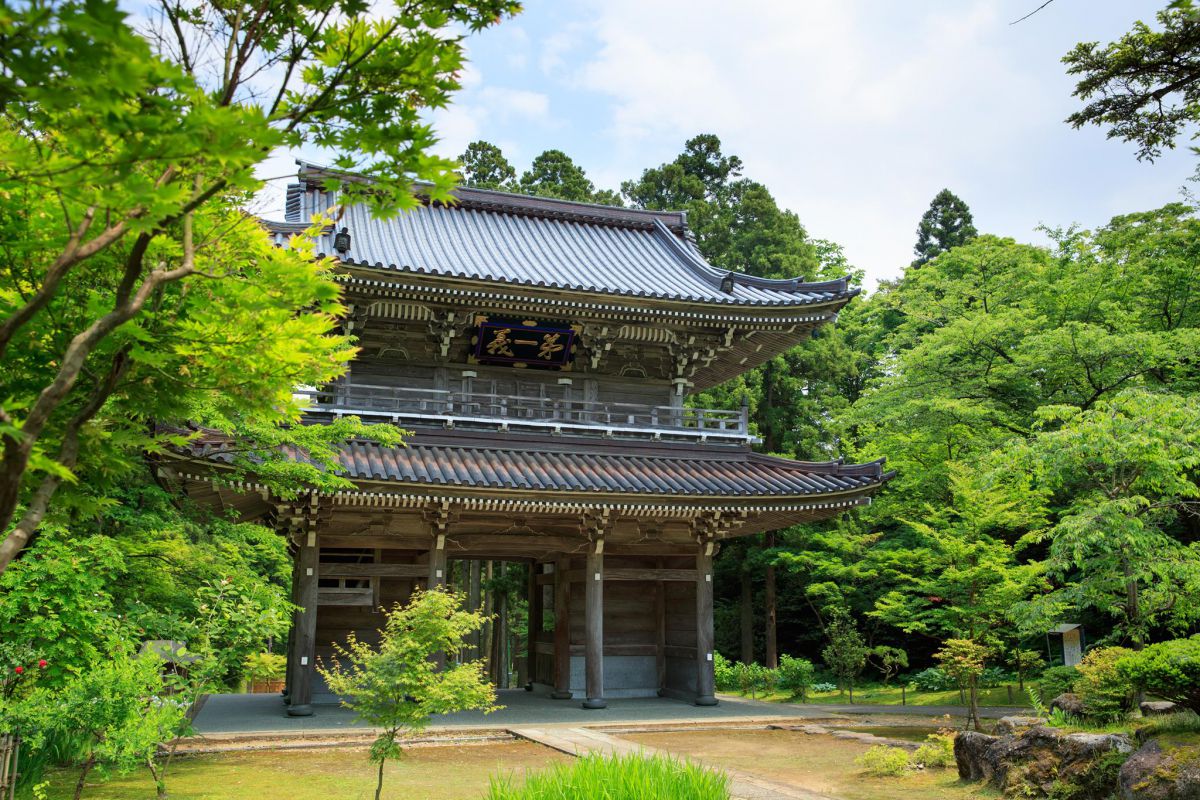
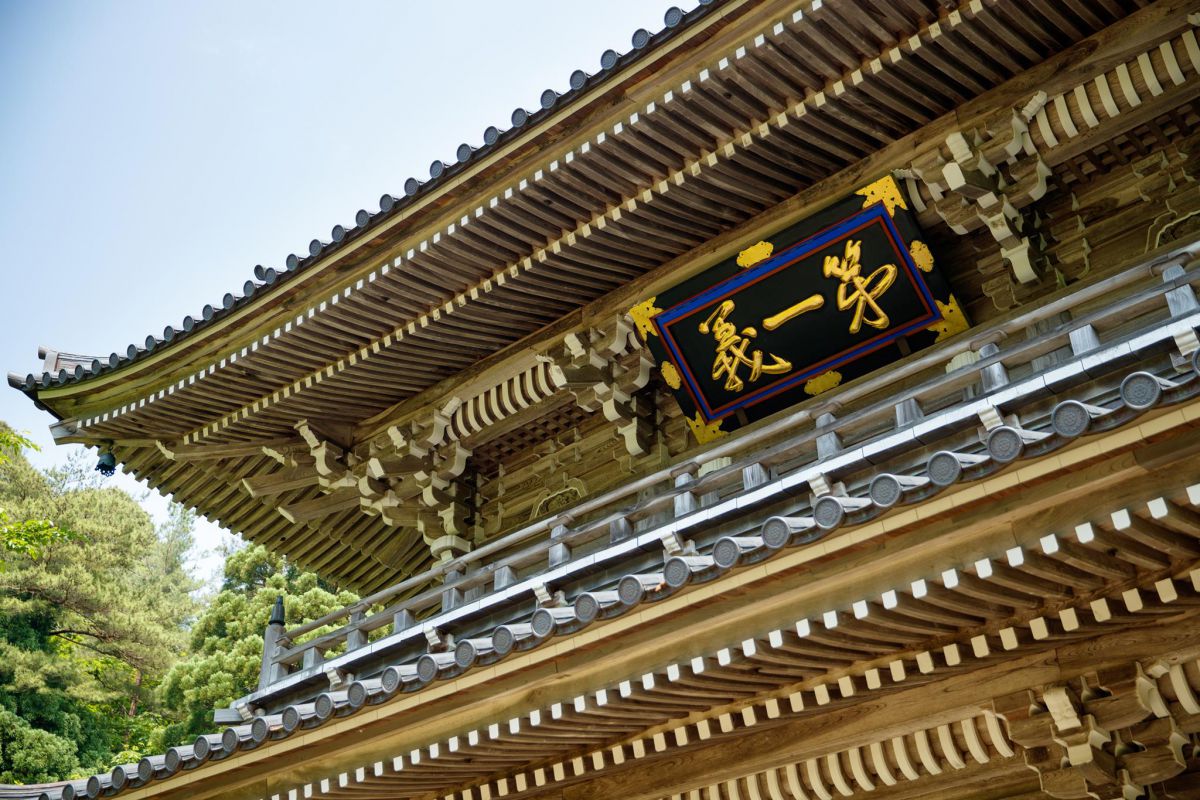
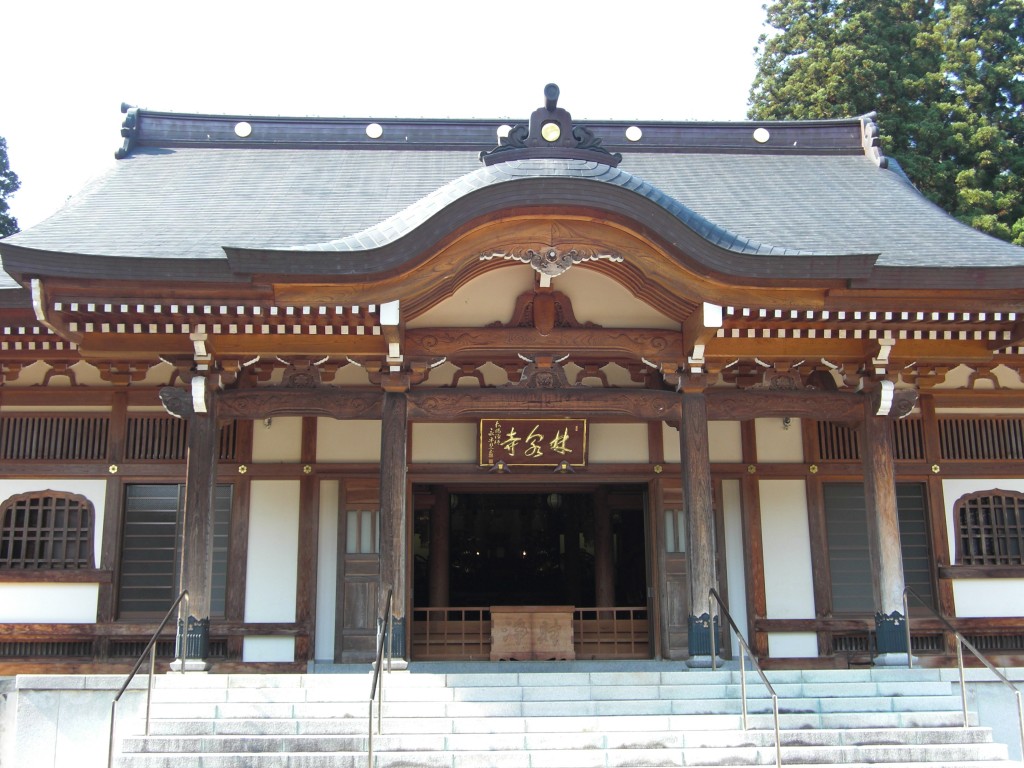
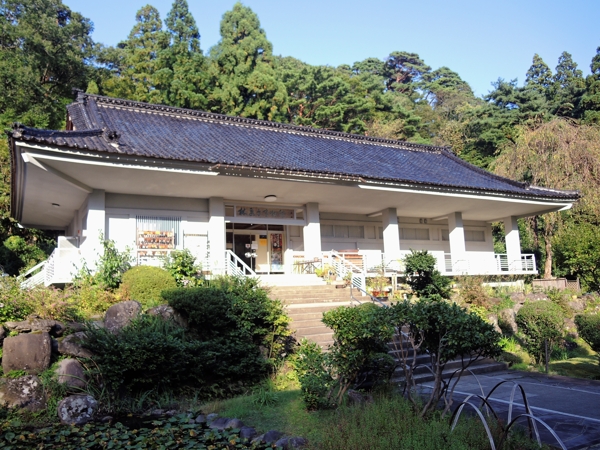
The vast grounds of the Soto Zen temple Rinsenji in Joetsu were once home to Uesugi Kenshin (1530–1578), one of the most influential warlords of the Sengoku (“Warring States”) period (1467–1568).
The conflict-ridden Sengoku period was a dangerous time, and especially so for the children of prominent warlords. Kenshin entered Rinsenji Temple on his father’s orders at the age of six, for protection as well as to receive an education. He lived at the temple until he was 13, studying Zen Buddhism, Chinese classics, and military strategy. His time at Rinsenji is said to have had a profound influence on the virtues for which he would become known later in life.
The temple was founded in 1497 by Nagao Yoshikage (1464–1506), Kenshin’s grandfather, and became the family temple of the allied Nagao and Uesugi families. Even after Kenshin’s death, Rinsenji continued to be revered by daimyo families and maintained significant status in the region throughout the Edo period (1603–1867), with support from the Tokugawa shogunate.
The temple grounds include a museum, large water lily pond, and cemetery. The cemetery features a stone pillar erected by the Uesugi family in the early 1900s to mark the 350th anniversary of Kenshin’s death. It also contains the graves of the Hori, Matsudaira, and Sakakibara daimyo families, who administered the area after the Uesugi, as well as a memorial stela honoring those who lost their lives in the Battles of Kawanakajima (1553–1564), fought between Kenshin and his rival Takeda Shingen (1521–1573), lord of Kai Province.
The temple’s current main gate was relocated from Kasugayama Castle, Kenshin’s stronghold. Some of its pillars date to the Muromachi period (1336–1573). The original main hall and Niomon (Gate of the Guardian Kings) were destroyed by fire in the mid-nineteenth century. The Niomon was rebuilt in the 1920s, and the current main hall was built in the late 1990s.

This English-language text was created by the Japan Tourism Agency.